Ballroom and Drag in Quebec in 2026: Interview with Karine Delaunay
In brief: In brief, the ballroom and drag scene in Quebec is active and growing in 2026, particularly in Montreal with Ballroom 4 Community, the Montreal Kiki Ballroom Alliance, and the Black Gxrl Sesh. Karine Delaunay sees it as a culture born from racialized queer communities that combines accessible kiki balls, voguing, and houses. The history dates back to the 1940s with Guilda in 1955, Armand Monroe in 1959, and Mado Lamotte since 1987 at Cabaret Mado and Café Cléopâtre. Events like the Température Kiki Ball in August 2025 and the International Drag Festival promise a great year.

Context of the Interview
The ballroom and drag scene in Quebec in 2026 is active, documented, and growing, especially in Montreal where it combines houses, kiki balls, voguing, historical cabarets, and community festivals. It builds on a long tradition while creating new spaces of solidarity and performance. This vitality is manifested by activities organized year-round by Ballroom 4 Community and the Montreal Kiki Ballroom Alliance, accessible kiki balls, and events like the Température Kiki Ball presented in August 2025 as part of the Jardins en cabaret at the Quartier des spectacles. The ballroom culture, born in racialized queer communities excluded from traditional balls, today offers categories of fashion, beauty, stage presence, dance, and performance that promote both competition and transmission.
We met Karine Delaunay, ball organizer and founder of a ballroom house, to get her on-the-ground perspective after 12 years in the kiki scene. The interview took place in a studio within the Montreal community environment, between two voguing rehearsals. Karine spoke to us warmly and precisely about the evolution of this culture, its overlap with historical Montreal drag, and the prospects for 2026. She emphasized the central role of the Black Gxrl Sesh for Black trans, queer people, and women, the importance of houses as chosen families, and the need to clearly distinguish between ballroom and drag while recognizing their connections. To keep up with all the LGBTQ+ programming this year, the 2026 calendar of LGBTQ+ events in Quebec by month is an indispensable tool. The exchange lasted over two hours, leaving us with a much finer understanding of the current dynamics.
The Interview with Karine Delaunay
Journalist: Karine, where exactly is the ballroom and drag scene in Quebec in 2026?
Karine:In 2026, the scene is active and documented, especially in Montreal. Ballroom 4 Community and the Montreal Kiki Ballroom Alliance constantly share information about balls, voguing classes, and activities. Kiki balls are organized year-round because this format is more accessible than the traditional grand balls. The categories remain the same: fashion, beauty, performance, and dance, but the focus is on participation, transmission, and community enjoyment rather than pure competition. I participated in organizing the Température Kiki Ball in August 2025 as part of the Jardins en cabaret at the Quartier des spectacles, and it was wonderful to see so many people from all walks of life discovering voguing in an outdoor and festive setting. The ballroom scene is constantly growing according to Montreal tourist sources. There is a real maturity after years of discreet work. The Black Gxrl Sesh does essential work with weekly activities specifically for Black trans, queer people, and women. These spaces are vital because ballroom was born precisely from the need for racialized queer communities to create their own houses and rules after being excluded elsewhere. After 12 years in the field, I can say that houses offer an extremely powerful form of chosen kinship. My own house emphasizes supporting younger members and preserving the most authentic voguing techniques. Drag and ballroom often overlap at events, but they are not identical: drag is mainly related to shows and characters, as seen for a long time at Cabaret Mado, while ballroom is structured around categories, houses, and balls.
I am very optimistic for 2026. Calendars already announce several functions and workshops. We just need to continue documenting and making all this visible so that people arriving in Montreal or living in the regions can quickly find their place.
Journalist: What are the most active houses and structures currently?
Karine:The best-documented structures are the Montreal Kiki Ballroom Alliance, which acts as an information and development network for kiki culture, Ballroom 4 Community, which produces and relays balls and workshops, and the Black Gxrl Sesh, which offers specific spaces for Black trans, queer people, and women. As for the houses themselves, it is always best to check event posters because affiliations change and new houses regularly emerge. My house, which I founded about ten years ago, works closely with these collectives. We organize open studio sessions, voguing training, and collectively prepare participants for the different categories. The common trap is to think that ballroom is limited to Montreal: even though the concentration is strong there, exchanges with the Quebec City and Estrie scenes are increasingly numerous. Houses function as chosen families: we support each other, coach each other, and protect each other. It's one of the beauties of this culture. After 12 years, I clearly see that people involved in a house develop confidence and stage presence not always found elsewhere. Kiki balls are particularly valuable because they lower the entry threshold while maintaining artistic standards.
Journalist: Can you outline the history of Montreal drag that you know so well?
Karine:The history of drag in Montreal is much older than one might think. It dates back at least to the 1940s with African American artists like Dick Montgomery, Malva Bolda, and Billie McAllister performing at Rockhead's Paradise in Little Burgundy. Then, Guilda achieved major success at Chez Paree in 1955 and was featured at Casa Loma in 1959. Armand Larrivée Monroe started in 1958 at the Tropical Room of the Downbeat Club on Peel Street. A historic moment occurred on August 27, 1959, during Armand Monroe's birthday: it was that night that men were allowed to dance together in Montreal, a major turning point for gay nightlife. Mado Lamotte has been active since 1987 and remains a central figure with her Cabaret Mado, which presents shows almost every night. The Café Cléopâtre, open as a show bar since the 1890s, holds a very special place in the history of Montreal cabarets and continues to host drag, burlesque, comedy, and fetish performances. These historic venues like Bar Le Cocktail, Sky, Social Verdun with its monthly Drop Drag Gorgeous night hosted by Misty Waterfalls, or Café Cléopâtre with its bi-monthly Bareoke, form the living fabric of the Montreal drag scene. When working in ballroom, we carry this heritage with great respect. There is continuity between these pioneering artists and the new generations who vogue today.
Journalist: What is the particular place of Café Cléopâtre in this ecosystem?
Karine:Café Cléopâtre is truly a mythical place. Open since the 1890s, it has witnessed all the eras of Montreal nightlife. Even today, it hosts drag, burlesque shows, and the famous Bareoke night, which combines karaoke and queer culture. It's a place where generations meet: older queens share their memories while younger ones come to test new numbers. In my ballroom work, I often send members of my house to perform or simply observe at Cléopâtre because it's an incomparable school. The venue has survived all the transformations of the Village and downtown. It represents the resilience that characterizes both drag and ballroom. You can feel the history in the walls. It's also a place where more traditional drag and contemporary approaches like voguing can dialogue. Several kiki ball participants end up presenting performances there. It's a beautiful bridge between the different eras I mentioned earlier, from Guilda to today.
Journalist: Tell us about the Température Kiki Ball and upcoming events in 2025-2026.
Karine:The Température Kiki Ball presented by Ballroom 4 Community in August 2025 as part of the Jardins en cabaret was a highlight. It was free and open to all, perfectly matching the kiki spirit: accessibility, transmission, and collective joy. The categories were adapted to the outdoor context while keeping the essence of ballroom. For 2026, the calendars of the Montreal Kiki Ballroom Alliance and Ballroom 4 Community already announce several balls, classes, and functions. The Montreal International Drag Festival, created in 2024, continues to grow and has already attracted artists from 15 countries according to initial estimates. These events are crucial because they allow the Quebec scene to shine internationally while attracting talent from elsewhere. Alongside this, we continue recurring events like ManSpread for drag kings, Drop Drag Gorgeous at Social Verdun, LuvHaus in Hochelaga, or Mec Plus Ultra on the Plateau. All these events show that the scene is not limited to the Village. The complete guide to Fierté Montréal 2026 will certainly include several of these activities. The key is to maintain this balance between major festivals and intimate community events.
Journalist: How is the scene developing outside of Montreal?
Karine:The scene outside Montreal is gaining visibility. In Quebec City, the collective Les Reines du Faubourg organizes high-quality monthly drag nights that attract a loyal audience. In Estrie, the Estrie Drag Festival reached its third edition in 2026, showing great continuity. These initiatives are essential because they allow people who cannot always travel to Montreal to access this culture. Several members of my house come from regions and they then bring these learnings back home. Pure ballroom is still very concentrated in Montreal, but drag is magnificently spreading in the regions. For those planning a trip, preparing a trip to Canada and Quebec considering these regional events can provide a much richer experience. There is a real desire for decentralization while maintaining strong ties with the metropolis. Les Reines du Faubourg and the Estrie Festival are inspiring models.
Journalist: What is the importance of houses and voguing in this culture?
Karine:Houses are the heart of ballroom. They function as chosen families where knowledge is passed on, and emotional and artistic support is provided. Voguing is much more than a dance: it's a body language that tells stories of resilience, glamour, and struggle. After 12 years, I continue to be moved to see someone master a duckwalk or catwalk after months of training. Kiki balls allow experimenting with these techniques in a less intimidating setting than the grand international balls. We learn the five major basic categories while developing our own signature. The common trap for newcomers is wanting to perform too quickly without understanding the history and community spirit. That's why we emphasize workshops and mentorship within the house. Voguing comes from the Black and Latin queer communities of New York in the 1970s-80s; here in Montreal, we adapt it with respect while creating our own Quebec flavor.
Journalist: What advice would you give to someone wanting to discover this scene in 2026?
Karine:Start by following the accounts of Ballroom 4 Community and the Montreal Kiki Ballroom Alliance: they announce everything. Attend a kiki ball as a spectator first to understand the energy and categories. Then, participate in a voguing workshop, they are held regularly. If you feel drawn, approach an existing house or come see us at open events. For people in the regions, LGBTQ+ venues outside Montreal like Les Reines du Faubourg are excellent entry points. Come with an attitude of humility and learning: ballroom rewards those who respect its origins and community. Avoid treating it as just a show: it's a living culture that requires commitment and respect. And above all, have fun. Joy is at the center of everything.
A rich history of Montreal drag
The history of Montreal drag is fascinating and too little known. It begins at least in the 1940s with performances by African-American artists like Dick Montgomery, Malva Bolda, and Billie McAllister at Rockhead's Paradise in Little Burgundy. These shows laid the foundation for a bold nightlife scene that would develop over decades. In 1955, Guilda triumphed at Chez Paree, then was featured at Casa Loma in 1959. The same year, on August 27, 1959, during Armand Larrivée Monroe's birthday, who had started his career in 1958 at the Downbeat Club, men finally gained the right to dance together. This moment marks a major turning point in the history of Montreal's gay life.
Mado Lamotte took over in 1987 and quickly became an institution. Her Cabaret Mado presents shows almost daily and remains a pillar of the contemporary scene. Café Cléopâtre, whose cabaret activity dates back to the 1890s, continues to be a must-visit venue for drag, burlesque, and alternative performances. Other establishments like Bar Le Cocktail, Sky, and Social Verdun with its Drop Drag Gorgeous night keep this tradition alive. Understanding this historical lineage allows for a better appreciation of the current ballroom scene, which, without copying drag, is part of the same ecosystem of queer resilience and creativity.
Common pitfalls include believing that everything started in the 2000s or with the RuPaul show. In reality, Montreal has a continuous tradition for over 80 years. This historical depth gives legitimacy and depth to contemporary events. New generations of ballroom performers would benefit from knowing these pioneers to avoid reinventing the wheel and to honor those who paved the way in often hostile contexts.
Houses, voguing, and kiki balls
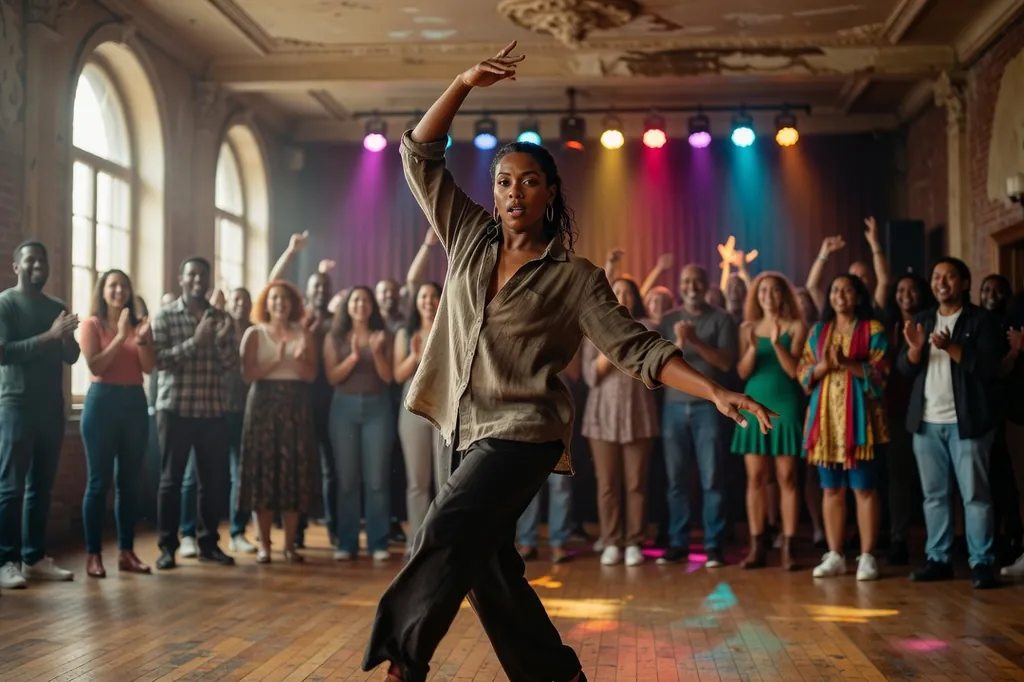
Ballroom culture is based on three pillars: houses, voguing, and balls. Houses function as chosen families that offer support, mentorship, and transmission. The Montreal Kiki Ballroom Alliance and Ballroom 4 Community play a central role in the development of this culture in Montreal. The Black Gxrl Sesh complements this ecosystem by creating safe spaces for Black trans, queer people, and women with open sessions and weekly events.
Voguing is a form of dance and performance that simulates model poses while incorporating dramatic movements, dips, and duckwalks. Kiki balls are more accessible community events than large international balls. They focus on learning, participation, and fun rather than fierce competition. Categories typically include fashion, beauty, performance, and dance. After 12 years of experience, I can affirm that these kiki balls are the best places to learn the basics without excessive pressure.
A common pitfall is to confuse ballroom and drag. Drag relies more on creating characters and show numbers, as seen at Cabaret Mado or Café Cléopâtre. Ballroom is a competitive culture structured around specific categories, judges, and houses. Both feed off each other, but they have distinct codes. It is important to respect these differences to integrate well into each space.
Houses also allow for the creation of very strong intergenerational bonds. "Mothers" and "fathers" guide the younger ones, teaching them history, techniques, and community values. It is this dimension of chosen kinship that makes ballroom so powerful on a human level, beyond the performative aspect.
Key events to watch in 2025-2026
The August 2025 Température Kiki Ball was a resounding success and heralds an even richer program for 2026. Ballroom 4 Community and the Montreal Kiki Ballroom Alliance continue to organize voguing workshops and balls throughout the year. The Montreal International Drag Festival, launched in 2024, is expected to continue its momentum after hosting artists from 15 countries and generating significant economic benefits according to initial evaluations.
Among the recurring nights not to be missed are Drop Drag Gorgeous at Social Verdun hosted by Misty Waterfalls, ManSpread for drag kings presented by Charli Deville, the bi-monthly Bareoke at Café Cléopâtre, LuvHaus in Hochelaga, and Mec Plus Ultra on the Plateau. These events show that queer life extends far beyond the traditional Village.
For those who wish to plan their outings, it is recommended to follow the official communications of the Montreal Kiki Ballroom Alliance several weeks in advance, as ball dates can sometimes change depending on venue availability. Kiki balls are generally announced a month in advance, allowing time to prepare a category. The important thing is to come with an open mind and ready to celebrate the community in all its diversity.
The reach beyond Montreal
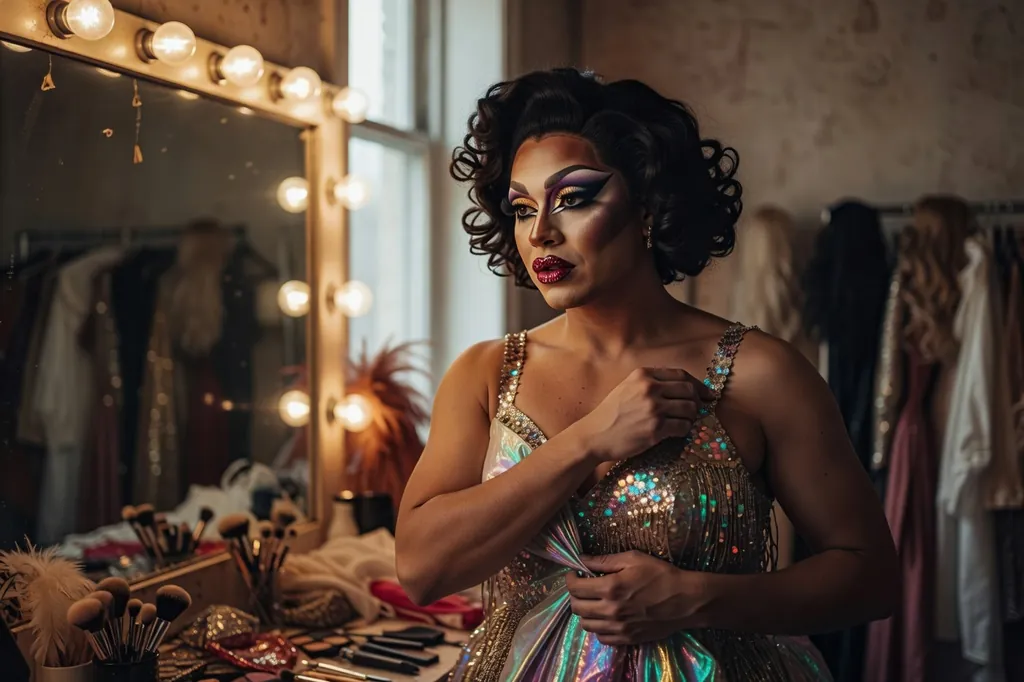
The drag and ballroom scene is developing beautifully in the regions. In Quebec City, Les Reines du Faubourg offers high-quality monthly nights that have built a diverse audience. In Estrie, the Estrie Drag Festival reached its third edition in 2026, a sign of certain vitality. These initiatives allow people living far from Montreal to access professional performances and a vibrant community.
If you wish to explore LGBTQ+ venues outside Montreal, these two hubs are excellent starting points. Several Montreal artists willingly travel to perform at these regional events, creating valuable bridges between the metropolis and the rest of Quebec. Pure ballroom remains very Montreal-centric, but drag travels much better and adapts to local realities.
This decentralization is healthy for the entire community. It also allows people who cannot afford frequent trips to Montreal to have meaningful experiences close to home. The work done by Les Reines du Faubourg and the organizers of the Estrie Festival deserves to be praised and supported.
How to get started in the ballroom and drag scene?
The best way to discover the scene is first to observe. Attend a kiki ball or a night at Cabaret Mado, Café Cléopâtre, or Social Verdun without the pressure to perform. Watch the categories, note the presentation codes, and soak up the energy. Voguing workshops organized by Ballroom 4 Community or the Montreal Kiki Ballroom Alliance are also excellent entry points.
Once you feel comfortable, approach a house or collective. Explain your interest and willingness to learn. Most organizers are very open to newcomers who show respect for history and the community. Avoid arriving and immediately asking to be judged in a category; take the time to learn the basics.
Prepare to invest time: voguing requires months of practice to reach a respectable level. Kiki balls are there precisely to allow this gradual learning. Also, read about the history, from Guilda to Mado Lamotte, including the pioneers of the 1940s. This knowledge will allow you to appreciate contemporary performances even more and avoid cultural blunders.
Finally, remember that ballroom is above all a culture of solidarity. Come to celebrate, learn, and be part of a community rather than just consume a show. This attitude is what truly opens doors.
To go further: the glossary to understand pride vocabulary.
Also read
Frequently Asked Questions
What is the difference between a kiki ball and a traditional ball?
Kiki balls are more accessible community events focused on sharing, participation, and enjoyment. They use the same categories (fashion, beauty, performance, dance) as traditional balls but with less competitive pressure. Ballroom 4 Community organized a great example with the Température Kiki Ball in August 2025.
Who are the important historical figures of Montreal drag?
Among the pioneers are Dick Montgomery, Malva Bolda, and Billie McAllister in the 1940s at Rockhead's Paradise, Guilda who triumphed in 1955, Armand Larrivée Monroe in 1958-1959, and Mado Lamotte active since 1987 at Cabaret Mado. Café Cléopâtre, since the 1890s, is also part of this history.
Which organizations support the ballroom scene in Montreal?
The main structures are Ballroom 4 Community, the Montréal Kiki Ballroom Alliance (Mtl-KBA), and Black Gxrl Sesh. They disseminate information, organize balls, voguing workshops, and create safe spaces, particularly for Black trans, queer people, and women.
Does the Montreal International Drag Festival have a significant impact?
Yes. Created in 2024, it attracted artists from 15 countries according to initial data and generated several million dollars in estimated economic impact. It helps position Montreal as an important destination for international drag culture while boosting the local economy.
How does ballroom culture differ from the traditional drag scene?
Drag is mainly associated with shows and character creation, as seen with Mado Lamotte or at Café Cléopâtre. Ballroom is based on competitive categories, houses, chosen family, and voguing. The two cultures often overlap but remain distinct in their codes and objectives.