World LGBTQ+ Days 2026: All the Key Dates — IDAHOT, Trans Visibility, Coming Out, and Pride Month
In brief: The calendar of LGBTQ+ world days marks the year for activists and communities. In 2026, from the International Transgender Visibility Day on March 31 to World AIDS Day on December 1, each date has its own history and distinct purpose. This guide presents the origins, significance, and concrete ways to commemorate these days in Quebec.
May 17 and IDAHOT: origin and meaning
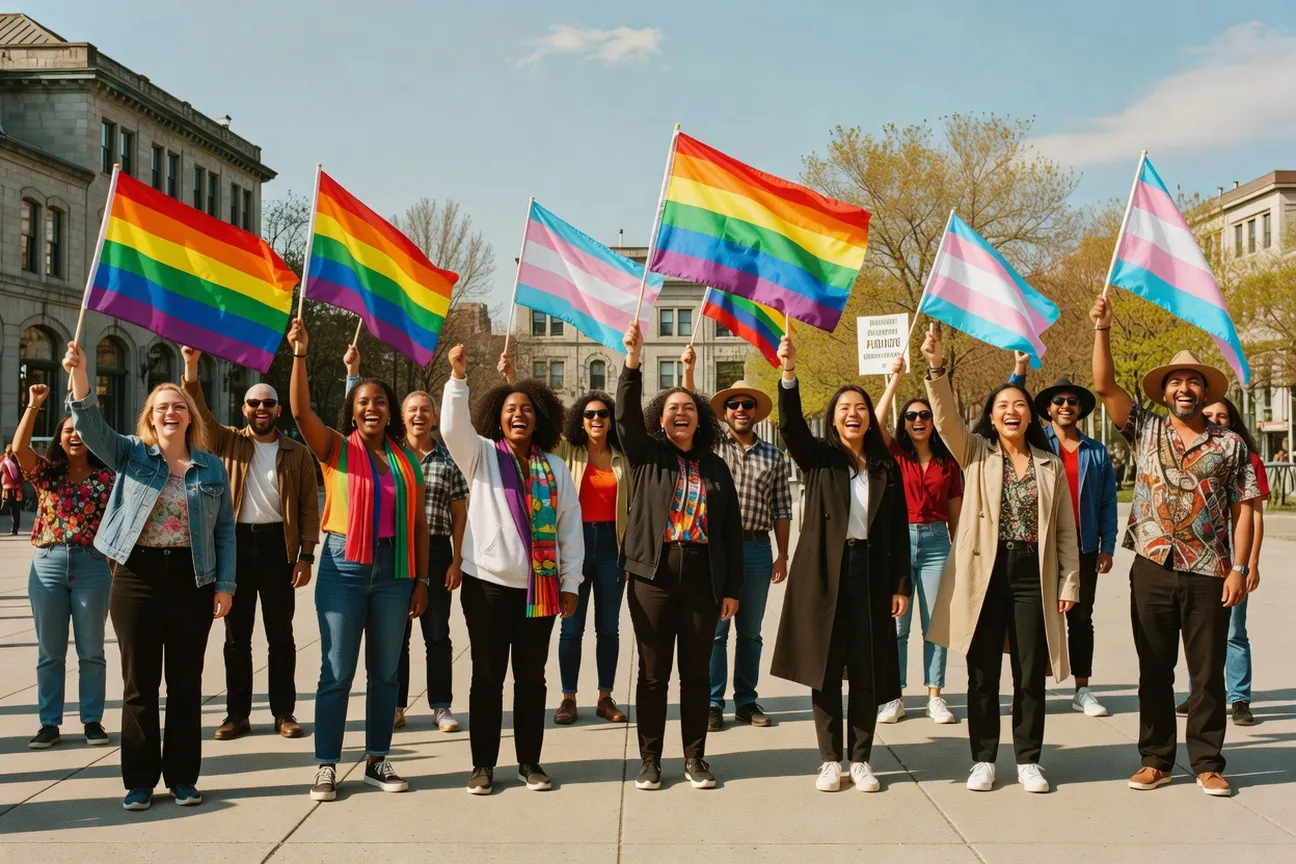
May 17 is the International Day Against Homophobia, Transphobia and Biphobia, known by the acronym IDAHOT. The date commemorates May 17, 1990, the day the World Health Organization removed homosexuality from its list of mental illnesses. This symbolic act marked a turning point in the international recognition of LGBTQ+ rights.
IDAHOT was founded in 2004 by Louis-Georges Tin, a French activist, who sought a date rooted in history rather than an arbitrary choice. By 2005, the Day was celebrated in more than 40 countries. Today, events are organized in over 130 countries, including in states where homosexual relations remain criminalized.
In Quebec, the day of May 17 is marked by gatherings in schools, health facilities, and workplaces. The provincial government regularly illuminates the tower of the National Assembly in rainbow colors. Community organizations distribute awareness materials and offer training activities against discrimination.
In 2026, the official theme chosen by the international IDAHOT coalition focuses on the protection of LGBTQ+ individuals in conflict zones and countries facing forced exile. This direction reflects ongoing humanitarian crises and the urgent need for more robust international protection. To explore the global context, visit our page on the international LGBTQ+ situation.
IDAHOT stands out from other days by its explicit targeting of institutional discrimination. It does not only celebrate an identity; it denounces systemic violence still present in many regions of the world, including North America where legislative regressions have been observed since 2023.
March 31, International Transgender Day of Visibility
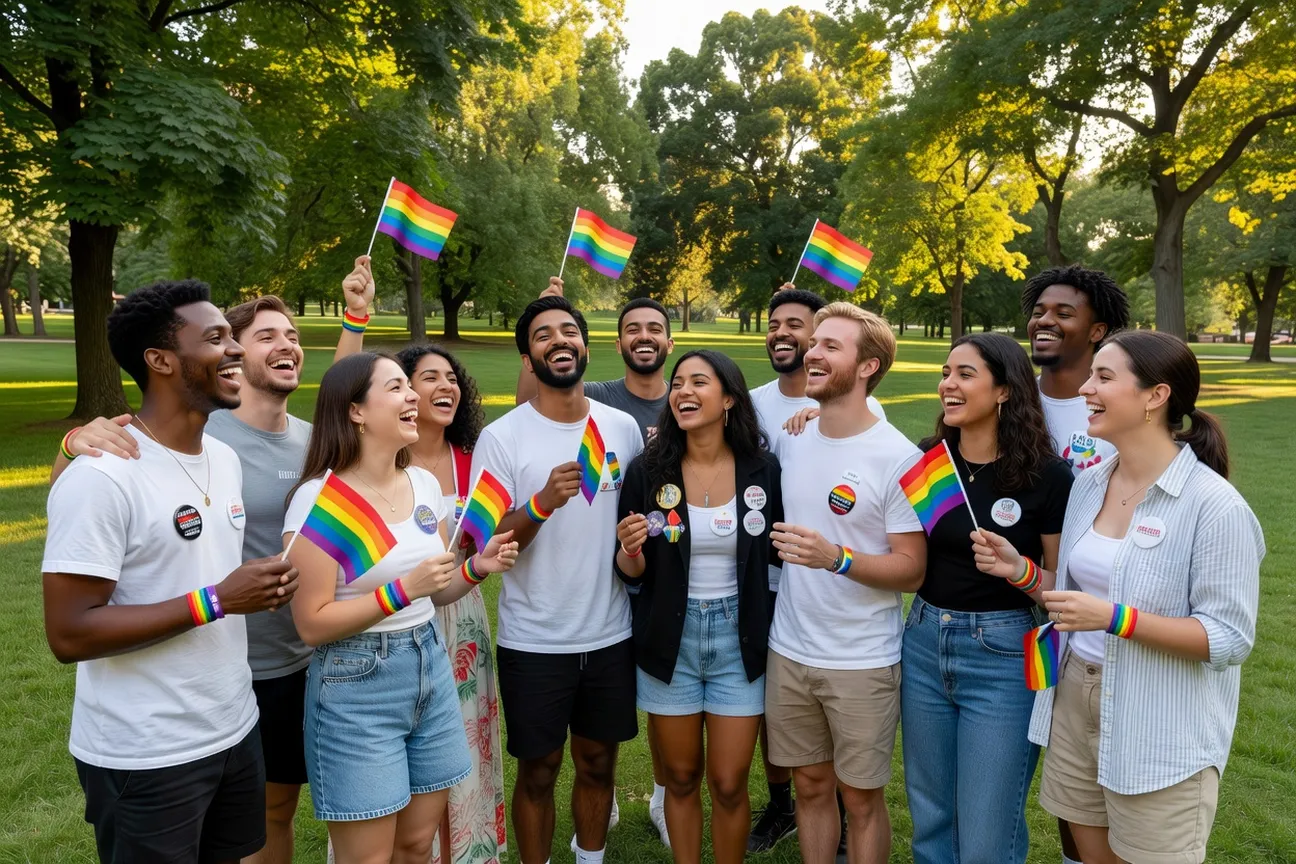
The International Transgender Day of Visibility is held every year on March 31. It was created in 2009 by Rachel Crandall-Crocker, an American transgender activist, in response to the lack of a day celebrating the positive existence of trans people. The only existing reference at the time was the Transgender Day of Remembrance on November 20, a day of mourning.
In 2026, the day of March 31 was set against a politically tense backdrop, with several American legislatures adopting restrictive measures targeting transgender individuals, particularly regarding healthcare for youth. In Quebec, organizations like Aide aux Transsexuel(le)s du Québec (ATQ) amplified local media coverage of the event.
Typical activities include public testimonies, professional training on trans inclusion in the workplace, and film screenings. Municipal libraries in Quebec organize round tables in partnership with groups like AlterHeros and Interligne.
The issue of changing gender markers on civil status documents without surgery has been established in Quebec since 2015 thanks to amendments to the Civil Code. March 31 is an opportunity to highlight these advancements while pointing out the persistent obstacles: delays in accessing endocrinologists, lack of coverage for gender-affirming care by the RAMQ, and discrimination in educational settings. Our guide on trans identity in Quebec: rights and resources details these issues.
The colors associated with the day are pink, white, and light blue, the colors of the trans flag. Displaying these colors, sharing testimonies, and supporting local organizations are accessible actions for everyone.
October 11, International Coming Out Day
October 11 is National Coming Out Day, established in 1988 by American activists Robert Eichberg and Jean O’Leary. The date has a historical symmetry: the day after October 11, 1987, the Second National March on Washington for Lesbian and Gay Rights took place.
The founding goal was simple yet radical: to normalize LGBTQ+ visibility by encouraging those who can to be open about their orientation or identity. Sociological research consistently shows that personally knowing an LGBTQ+ person improves attitudes toward the community as a whole.
The day never presents coming out as an obligation. It recognizes that coming out carries real risks depending on family, professional, or geographical context. The emphasis is on choice, safety, and respecting individual pace. Listening resources like the Interligne line (1 888 505-1010) remain available that day and throughout the year.
In Quebec, educational institutions organize themed weeks around October 11. School libraries highlight LGBTQ+ readings. Some businesses adopt formal inclusion frameworks for the occasion. Find all the dates of the LGBTQ+ Pride Calendar in Quebec 2026 to place this day in a broader context.
The day also highlights the reality of bisexual and pansexual individuals, who often face a double invisibility, and intersex individuals who may experience coming out differently. The inclusion of these identities in the communication of October 11 is a recent and necessary evolution.
June, Pride Month: birth and evolution
June is the month of LGBTQ+ Pride around the world. This choice is not trivial: it marks the anniversary of the Stonewall riots. On the night of June 27 to 28, 1969, patrons of the Stonewall Inn in New York resisted a police raid, triggering several nights of riots and inaugurating the era of modern LGBTQ+ activism.
The first Pride march took place on June 28, 1970, in New York, Los Angeles, and San Francisco. By the 1980s, the movement had crossed American borders. In Montreal, the first Pride Parades date back to 1979, long before the Gay Village was officially recognized.
In 2026, Pride Month covers an extraordinarily wide spectrum: concerts, conferences, exhibitions, training sessions, guided tours, festive days, and friendly marches. In Quebec, several municipalities raise the rainbow flag on June 1 and let it fly until the 30th. The Pride Montreal 2026 guide lists all the highlights of the metropolis for this month.
The month of June has also become a commercial issue, sparking internal debates about “rainbow washing,” that is, the commercial use of pride symbols without real commitment. Community organizations invite consumers to prefer suppliers who concretely support the community throughout the year.
Legislatively, June remains the month when governments announce advancements in rights, or conversely, when setbacks are denounced by human rights organizations. The symbolism of the period makes it a strategic moment for advocacy.
Other key LGBTQ+ days in 2026
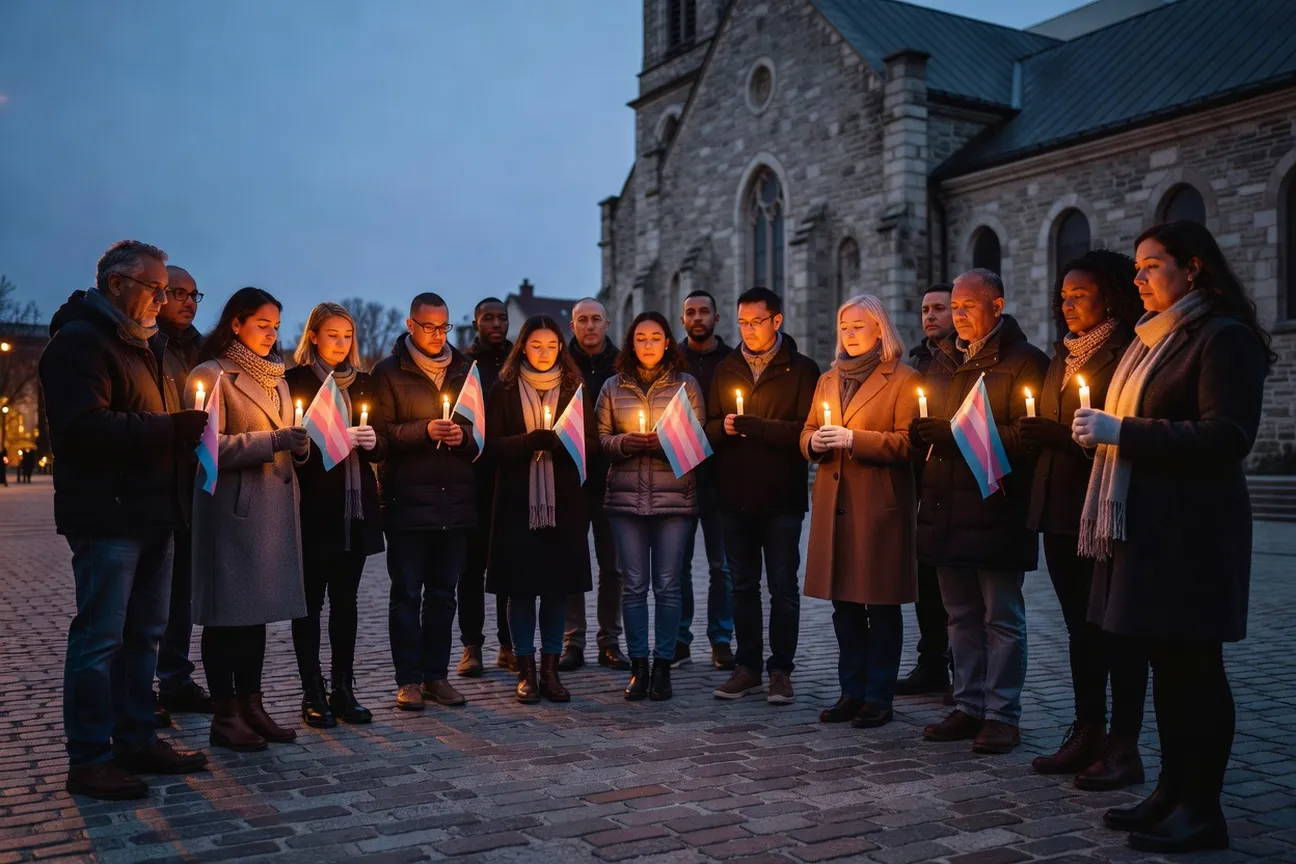
The calendar of LGBTQ+ world days is not limited to the four most well-known dates. Several other days punctuate the year and deserve equal attention.
July 14 — International Non-Binary Day: created in 2012, this day recognizes identities that do not fit within the male/female binary. It is marked by discussions on the use of gender-neutral pronouns, gender markers on official documents, and inclusion in institutional spaces. In Quebec, the mention of “X” on the health insurance card is an achievement that should be highlighted on this occasion.
December 1 — World AIDS Day: although not specifically LGBTQ+, this day remains closely linked to the history of the gay and bisexual community. Government inaction in the 1980s in the face of the epidemic profoundly marked the movement. In 2026, the red ribbon remains the symbol of solidarity and the call for universal access to treatments.
November 20 — Transgender Day of Remembrance: this day of mourning and commemoration, founded in 1998 by Gwendolyn Ann Smith, honors the trans individuals murdered worldwide in the past year. The Transgender Europe (TGEU) project publishes an annual statistical report. In 2025, over 350 trans individuals were killed worldwide, according to this data.
July 26 — International Day Against Discrimination of Intersex People: a date chosen in reference to the first international symposium on intersex in 1993. It aims to end non-consensual medical interventions on intersex children, a practice still widespread.
All these dates are included in the top 15 LGBTQ+ events not to be missed which also lists the corresponding local activities in Quebec.
Why these days are particularly important in Quebec
Quebec has one of the most protective legal frameworks in North America for LGBTQ+ individuals. The Quebec Charter of Human Rights and Freedoms explicitly prohibits discrimination based on sexual orientation since 1977 and on gender identity or expression since 2016. These legislative advancements are the result of decades of community mobilization.
Yet, data on the well-being of LGBTQ+ individuals show persistent gaps. LGBTQ+ youth experience significantly higher rates of psychological distress than their peers. Trans individuals face wait times for access to specialized medical care that can reach several years. Racialized LGBTQ+ individuals experience a double marginalization that is rarely addressed in public policies.
World days serve as visible catalysts for these discussions. They provide the media with an opportunity to highlight issues that do not make headlines for the rest of the year. They offer organizations a platform to announce campaigns and publish reports. For immediate resources, consult our directory of help resources for LGBTQ+ youth in Quebec 2026.
Moreover, the geographical and cultural proximity to the United States makes American regressions particularly sensitive in the Quebec public space. Anti-trans laws adopted in certain American states generate a sense of urgency among Quebec activists and encourage them to strengthen the provincial framework.
Finally, world days reinforce international solidarity. Quebec welcomes LGBTQ+ refugees whose situation in their home country justifies asylum. Each IDAHOT or Trans Remembrance Day is an opportunity to remind that protection is not limited to the province's borders. Services and support in Quebec are available to assist newly arrived individuals.
How to participate and support these days in 2026
Participating in a global LGBTQ+ day can take many forms depending on each person's context. Engagement is not measured by public visibility but by the sincerity of the action.
In the workplace: propose to the HR team to organize training against discrimination around May 17. Share internal resources on health-related leaves linked to gender identity. Encourage the display of a message of support in common areas.
In schools: librarians and teachers can integrate LGBTQ+ books into their selection. Student committees can organize fun activities on October 11 or present video testimonials on March 31. The goal is to create an environment where LGBTQ+ students feel recognized.
In the community: join a local organization such as the Centre communautaire des gais et lesbiennes de Montréal (CCGLM) or a regional equivalent. Volunteers are essential during the periods surrounding these days. Even a modest donation helps cover the logistical costs of events.
Online: share reliable and factual content rather than alarmist posts. Amplify the voices of LGBTQ+ activists directly affected. Report hate speech using the moderation tools of the platforms. The regional pride events in Quebec 2026 all have social media pages that are useful to follow and share.
Participation is not limited to an annual gesture. LGBTQ+ organizations need resources throughout the year. Regular engagement, even discreet, has a lasting impact on the quality of services offered to vulnerable individuals.
Brief history of LGBTQ+ world days
The idea of dedicating an international day to a specific cause dates back to the labor movements of the 19th century. For LGBTQ+ rights, the first officially recognized day is the Transgender Day of Remembrance, founded in 1998 after the murder of Rita Hester in Boston.
The International Coming Out Day, launched in 1988, formally precedes the IDAHOT of 2004. These two dates were initially promoted by American organizations before being adopted internationally. The globalization of LGBTQ+ activism has accelerated their spread through the Internet and civil society networks.
The UN has gradually integrated LGBTQ+ rights into its instruments. Resolution 17/19, adopted in 2011 by the Human Rights Council, was the first UN resolution specifically addressing sexual orientation and gender identity. It paved the way for reports and mandates for independent experts.
Over the years, the calendar has been enriched with new days responding to more targeted visibility needs: Non-Binary Day, Intersex Day, Lesbian Visibility Day (on April 26). This multiplication reflects an increased awareness of the internal diversity within the LGBTQ+ community, where not all identities receive the same recognition.
The contemporary challenge is to avoid saturation: too many days risk diluting media attention and the impact of each one. Activist organizations are working to better coordinate their messages around key dates while maintaining the specificity of each cause. Find the complete overview of events by consulting the LGBTQ+ Pride Calendar in Quebec 2026.
Frequently asked questions
What is IDAHOT and why May 17?
IDAHOT is the International Day Against Homophobia, Transphobia and Biphobia. May 17 commemorates May 17, 1990, the date on which the WHO removed homosexuality from its classification of mental disorders. Today, it is one of the most recognized LGBTQ+ awareness days internationally, observed in over 130 countries.
What is the date of Trans Day of Visibility in 2026?
The International Transgender Day of Visibility takes place on March 31 each year. In 2026, it will fall on a Tuesday. It was created in 2009 by American transgender activist Rachel Crandall-Crocker to positively celebrate transgender existence, in addition to the Transgender Day of Remembrance on November 20, which is a day of mourning.
Why is June the month of LGBTQ+ Pride?
June was chosen in reference to the Stonewall riots, which occurred in the night of June 27 to 28, 1969, in New York. These riots are considered the starting point of modern LGBTQ+ activism. The first Pride march took place on June 28, 1970, to mark the first anniversary of Stonewall.
When is the International Coming Out Day?
World Coming Out Day is held annually on October 11. It was launched in 1988 by American activists. Its aim is to encourage those who can and wish to be open about their sexual orientation or gender identity, while reminding that coming out should be a free and safe choice.
What is the International Non-Binary Day?
World Non-Binary Day is celebrated on July 14. It recognizes individuals whose gender identity does not fit within the male/female binary. In Quebec, the designation "X" has been available on official documents since 2022, a progress that this day helps to remind and defend.
How to celebrate these LGBTQ+ world days in Quebec?
There are many ways to celebrate these days: participate in events organized by LGBTQ+ community centers, display representative colors, share educational content on social media, support a local organization through a donation or volunteering. Schools, businesses, and public institutions are also encouraged to mark these occasions visibly.
What is the difference between Trans Day of Remembrance and Trans Visibility Day?
Trans Day of Remembrance (November 20) is a day of mourning that commemorates trans individuals who have been murdered. Transgender Day of Visibility (March 31) is a day of celebration and positive awareness of the existence of trans people. Both dates are complementary and necessary in the activist calendar.