« Trans youth need to be welcomed, not questioned » — interview with a social worker
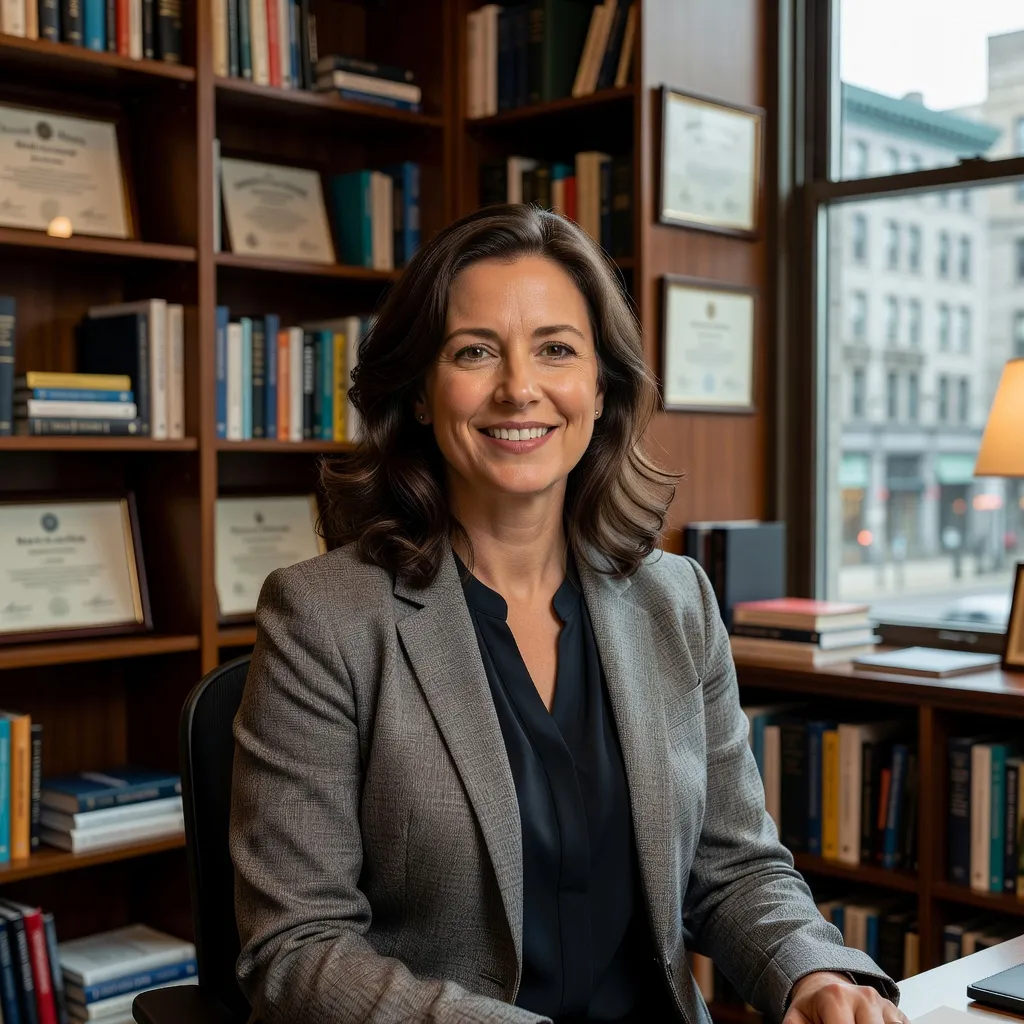
In brief: Dr. Mireille Comeau has been working for 14 years with LGBTQ+ youth in a hospital and community context in Montreal. In this interview, she discusses the realities of trans and non-binary youth in 2026: psychological distress, emergency support resources, family reactions, and specialized services. Editorial portrait — fictional character for illustration purposes.
Context of the interview
Every year, thousands of young Quebecers discover or affirm their trans or non-binary identity. This period of life, often rich in revelations, can also be marked by family misunderstanding, school isolation, and intense psychological distress. Mireille Comeau, a clinical social worker for 14 years, supports these young people on a daily basis.
We met with her in her office at the CIUSSS Centre-Sud to talk candidly about the realities of trans youth in Quebec in 2026: the emergencies, the resources and helplines that work, the gaps in the system, and the messages she has for young people who are going through these experiences alone.
The interview
Journaliste : Who are the young people who consult you?
Dre :I see very diverse profiles. Adolescents aged 13-14 who are starting to put words to what they have been feeling for a long time, young adults aged 18-22 who waited until they left their family home to assert themselves, and young people who arrive in acute crisis after brutal family rejection. The age group most represented in my consultations is currently 15-19 years old.
What strikes me is the diversity of experiences. Some had very open parents, an almost serene coming out, and mainly seek help to navigate medical and administrative processes. Others arrive after months, or even years, of silent distress, often with severe depressive or anxious symptoms. The latter need multidimensional support.
Journaliste : What is the most common psychological distress?
Dre :Without a doubt, it is the depression associated with gender dysphoria and social rejection. When a young person feels trapped in a body that does not match their identity, and neither their family nor their school recognizes them for who they are, the accumulation of these non-recognitions can lead to extreme suffering.
The studies are clear: trans youth who have the support of their loved ones have significantly lower rates of suicide attempts than others. Specialized mental health resources for LGBTQ+ youth are therefore absolutely critical — not a luxury, a medical necessity. When I hear that wait times for psychology can exceed a year in the public system, it outrages me.
Journaliste : How can we explain the increase in the number of trans youth in Quebec?
Dre :It's a question I get asked often, and it sometimes reveals a fundamental misunderstanding. The increase in young people identifying as trans or non-binary does not mean that there are "suddenly more trans people." It means that more people now have the vocabulary to name their experience, and access to spaces where they can assert themselves with less risk.
For decades, trans people have lived in silence, in shame, or in hiding. The increased visibility of trans people in the media, social networks, and institutions has created a context in which it is more possible — not easy, but more possible — to recognize and name oneself. This is a major social advancement.
Journaliste : What chat services do you recommend in case of emergency?
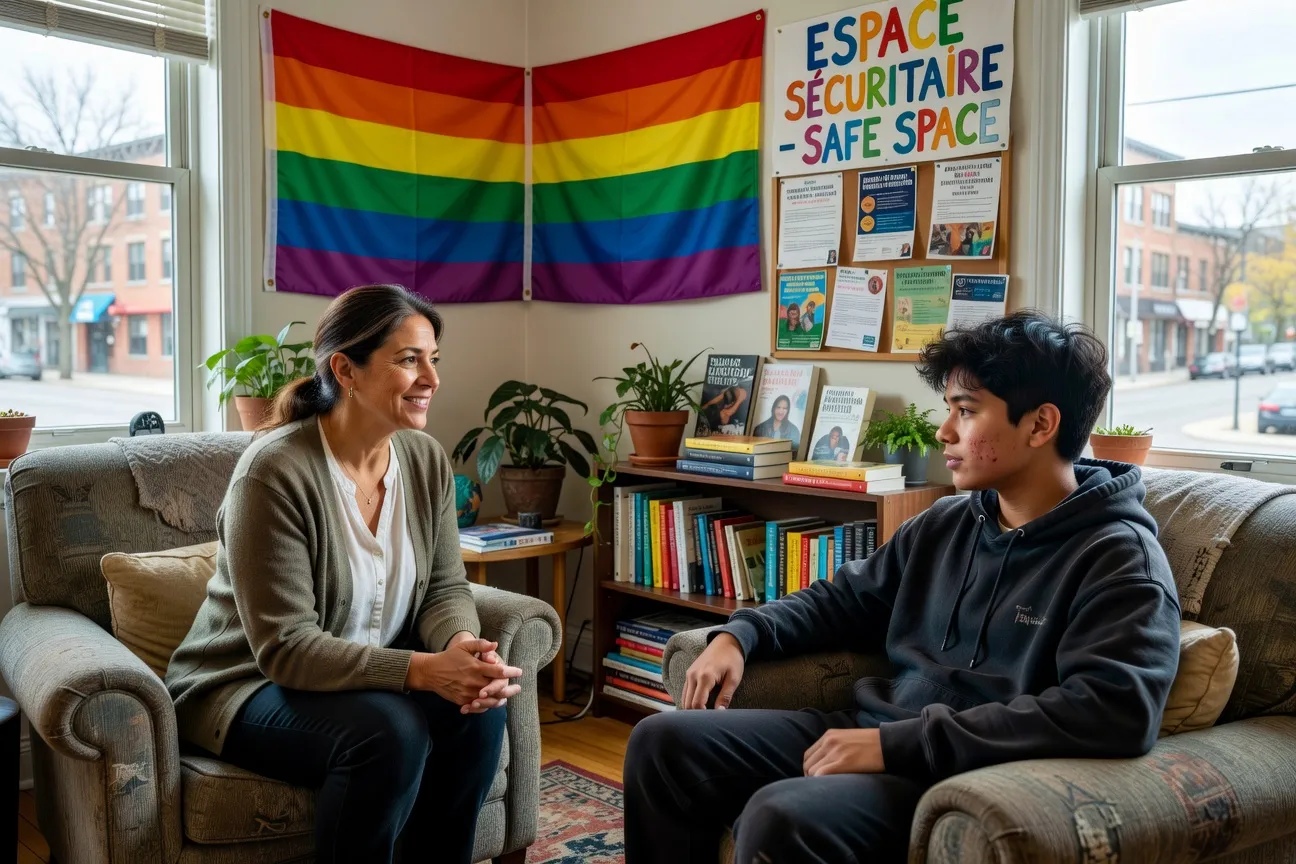
Dre :For emergencies, I first recommend Tel-Jeunes (1-800-263-2266 or teljeunes.com): available 24/7, free, confidential, with trained interveners. For issues specifically related to LGBTQ+, AlterHéros (alterheros.com) has a high-quality chat service.
For cases of suicidal crisis, young people can call 3114 (national suicide prevention number, available in Quebec since 2023) or go to the nearest emergency room. Interligne (1-888-505-1010) also offers specialized support for LGBTQ+ individuals. The key is not to stay alone with intense distress.
Journaliste : How do Quebec families react to a child's trans coming out?
Dre :There is no universal answer. I have seen parents who welcome their child immediately and change their pronouns the next day. Others need weeks or months to process the information. And some completely reject it — sometimes temporarily, sometimes permanently.
What is important to understand is that the initial rejection is not necessarily definitive. Many parents who first reacted with anger or denial eventually, with support, open up. This is where resources for families like PFLAG Canada or the support groups offered by the ATQ play a crucial role. A parent who suffers from seeing their child suffer is not necessarily a bad parent — they are often a parent who needs help themselves.
Journaliste :What is a "gender refusal" and how to deal with it?
Dre :Misgendering — the intentional or repeated use of the wrong name or pronouns to refer to a trans person — is a form of psychological violence. The "gender denial," a term I use to refer to the systematic rejection of a young person's trans identity by their loved ones or school environment, has devastating effects on mental health.
To address this, we must first bring the issue out of the private sphere: talk to a school counselor, a community worker, or contact the CGLQ if discrimination occurs in an institutional setting. In some severe cases, the intervention of a social worker may be requested by the young person themselves or by a concerned professional.
Journaliste : What is the difference between gender dysphoria and identity questioning?
Dre :Gender dysphoria is a clinically significant distress related to the incongruence between a person's gender identity and the sexual characteristics of their body or the gender roles assigned to them. It is a diagnosis recognized by the DSM-5 and the ICD-11.
The questioning of identity is a normal and healthy process in which a person explores their own gender identity, without necessarily feeling distress. Not all trans youth experience severe dysphoria, and not everyone who questions their gender is trans. What matters is to provide a safe space for this questioning, without pressure or imposed deadlines — the kind of nuanced approach covered in our broader overview of trans identity and non-binarity in Quebec, including rights and support resources.
Journaliste : Do Indigenous and racialized trans youth face specific barriers?
Dre :Absolutely, and it is a reality that the Quebec healthcare system does not yet take into account sufficiently. A young Indigenous trans person from Montreal often has to navigate between community spaces that do not fully recognize them — neither in the Indigenous space nor always in the predominantly white trans space.
Organizations like ASTT(e)Q work specifically with racialized trans individuals in precarious situations. The Native Friendship Centre of Montreal has also developed services that are sensitive to gender issues. However, the lack of culturally adapted resources remains a major structural problem.
Journaliste : What resources are available for youth in the region?
Dre :It's an important blind spot. Outside of major centers, trans youth can find themselves completely isolated, without access to a doctor trained in trans care, without a support group, and sometimes unable to even identify openly without risking social backlash in their community.
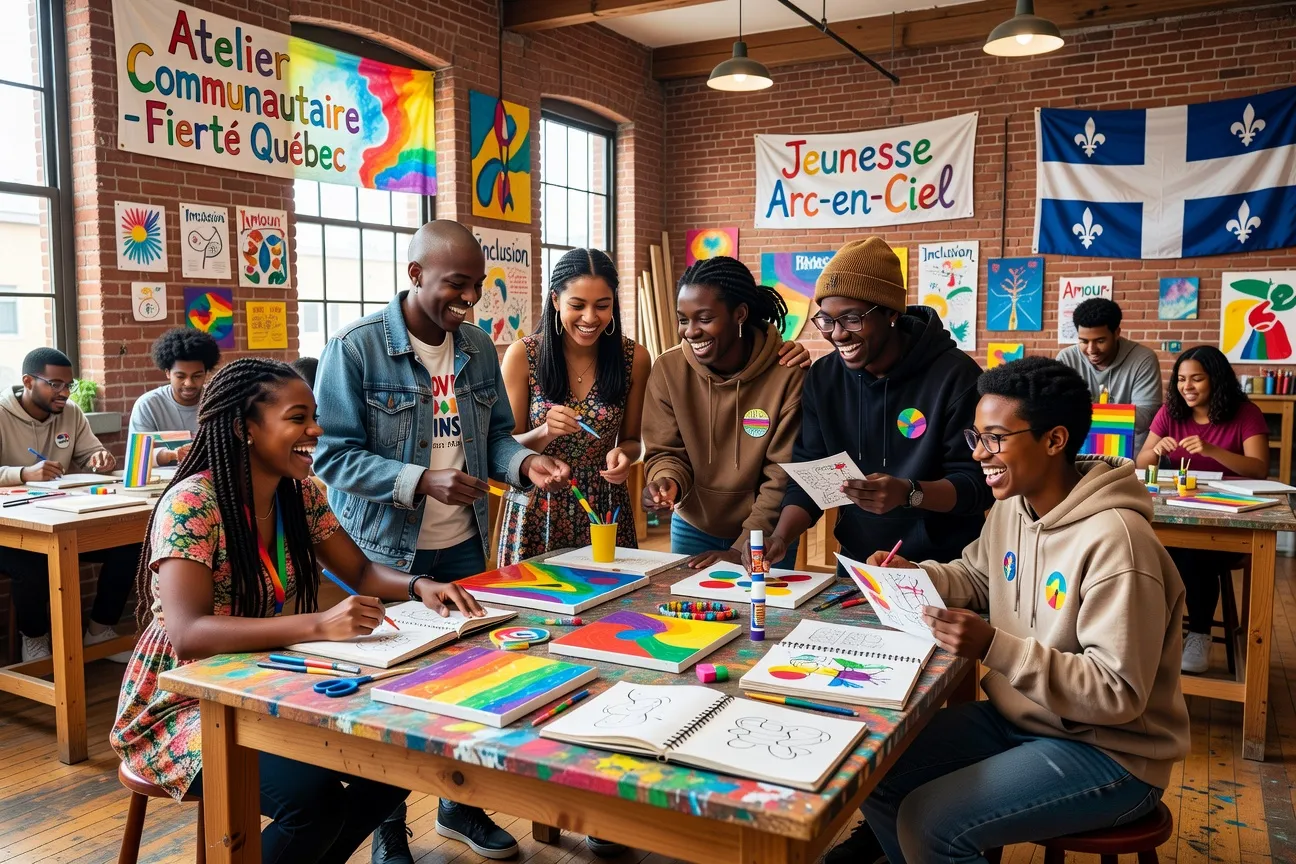
Digital solutions exist: the online groups of ATQ, AlterHéros, and Tel-Jeunes are accessible from anywhere in Quebec. Telemedicine consultations are developing for hormone therapy care. But frankly, a trans youth in Abitibi or Gaspésie should not have to fight as hard to access the same care as a youth in Montreal. It is a question of equity that must continue to be advocated for politically.
Journaliste :A message for the young people reading this article?
Dre :Your identity is real. It is valid. It does not require any medical, parental, or social justification to exist. If you are going through a difficult time, know that you are not alone and that there are trained individuals to welcome you without judgment.
Take care of yourself first: call Tel-Jeunes if you are in distress, contact AlterHéros if you have questions about your identity, join community spaces if you are looking to meet other young people like you. And don’t give up — many adult trans people who went through very dark times in their youth now speak of a fulfilled and accomplished life.
Quick questions: common misconceptions
Conclusion: 3 key takeaways
- Family acceptance is the primary protective factor for the mental health of trans youth: parents who support their child do not harm them; they help them survive.
- In case of urgent distress, Tel-Jeunes (1-800-263-2266) and AlterHéros (alterheros.com) offer free, confidential, and specialized LGBTQ+ support accessible from any region.
- The challenges faced by trans youth in Quebec's regions remain a critical blind spot: equitable access to care and community support is a political issue that requires collective mobilization.
Frequently asked questions
How to help a young trans person in psychological distress?
Contact Tel-Jeunes immediately (1-800-263-2266, 24/7) or AlterHéros (alterheros.com). In case of a suicidal crisis, call 3114 or go to the emergency room. LGBTQ+ specialized social workers can be accessed through the CLSC or community organizations.
What resources are available for parents of a transgender child in Quebec?
PFLAG Canada (pflagcanada.ca) offers support groups for families. The ATQ (atq1980.org) provides workshops for parents. Interligne (1-888-505-1010) also has specialized support for loved ones of LGBTQ+ individuals.
What is the minimum age to begin a medical transition in Quebec?
For puberty blockers, some specialized pediatric clinics accept youth starting from the beginning of puberty (Tanner 2), with parental consent and medical follow-up. Hormone therapy is generally initiated from the age of 16 with parental consent, or earlier in cases of documented severe distress.
Can trans youth change their name at school in Quebec?
Yes. Several school boards in Quebec have adopted policies allowing transgender students to be called by their chosen name. Even without a legal change to the birth certificate, a formal request can be made to the school administration, ideally accompanied by support from a community worker or the CLSC.
Is AlterHéros accessible to youth from all regions?
Yes, AlterHéros (alterheros.com) is an online service accessible from anywhere in Quebec with an internet connection. The chat service is free, anonymous, and available for LGBTQ+ youth aged 14 to 25, including trans and non-binary youth.