LGBTQ+ nightlife in Quebec in 2026: bars, parties, and friendly places outside Montreal
In brief: The LGBTQ+ nightlife and cultural scene is not limited to the Gay Village in Montreal. In 2026, Quebec City, Gatineau, Sherbrooke, Saguenay, and several regions offer bars, themed evenings, and welcoming places where the community gathers. This practical guide provides an overview of the regional scene and offers all the tips to enjoy it.
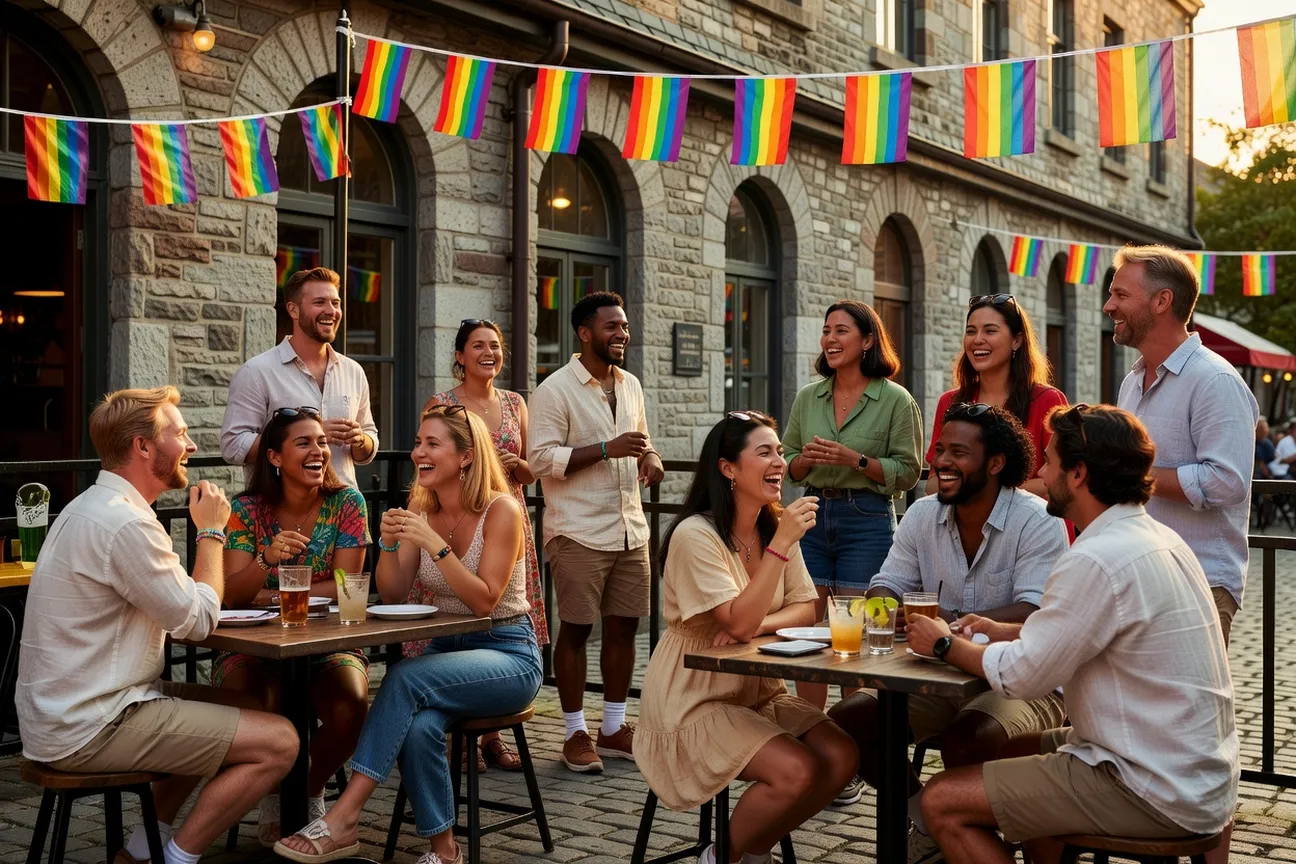
The LGBTQ+ scene outside of Montreal: status report 2026
The LGBTQ+ Scene Outside of Montreal: Status Report 2026
The Gay Village of Montreal remains the essential reference, but reducing Quebec's LGBTQ+ life to a few streets on Sainte-Catherine Street would ignore a reality that is expanding rapidly. Since 2020, the regions have experienced remarkable vibrancy: new "friendly" bars, monthly themed parties, inclusive cafés, and community centers multiplying their cultural activities.
This transformation meets a real need. According to a survey conducted in 2024 by a coalition of provincial LGBTQ+ organizations, over 60% of respondents living outside major centers reported a lack of inclusive socialization spaces in their region. Three years earlier, this figure exceeded 75%. The trend is therefore positive, even if gaps remain.
The phenomenon affects all categories of establishments. Traditionally heterosexual bars now display the rainbow flag and host dedicated nights. Restaurants, theaters, and performance venues are explicitly committing to inclusion. And local associations, supported by government grants increased since 2022, are renting affordable spaces to create true community hubs.
Before heading out to explore these places, check out the gay community in Quebec: guide to places and events for a complete mapping of available resources in the province.
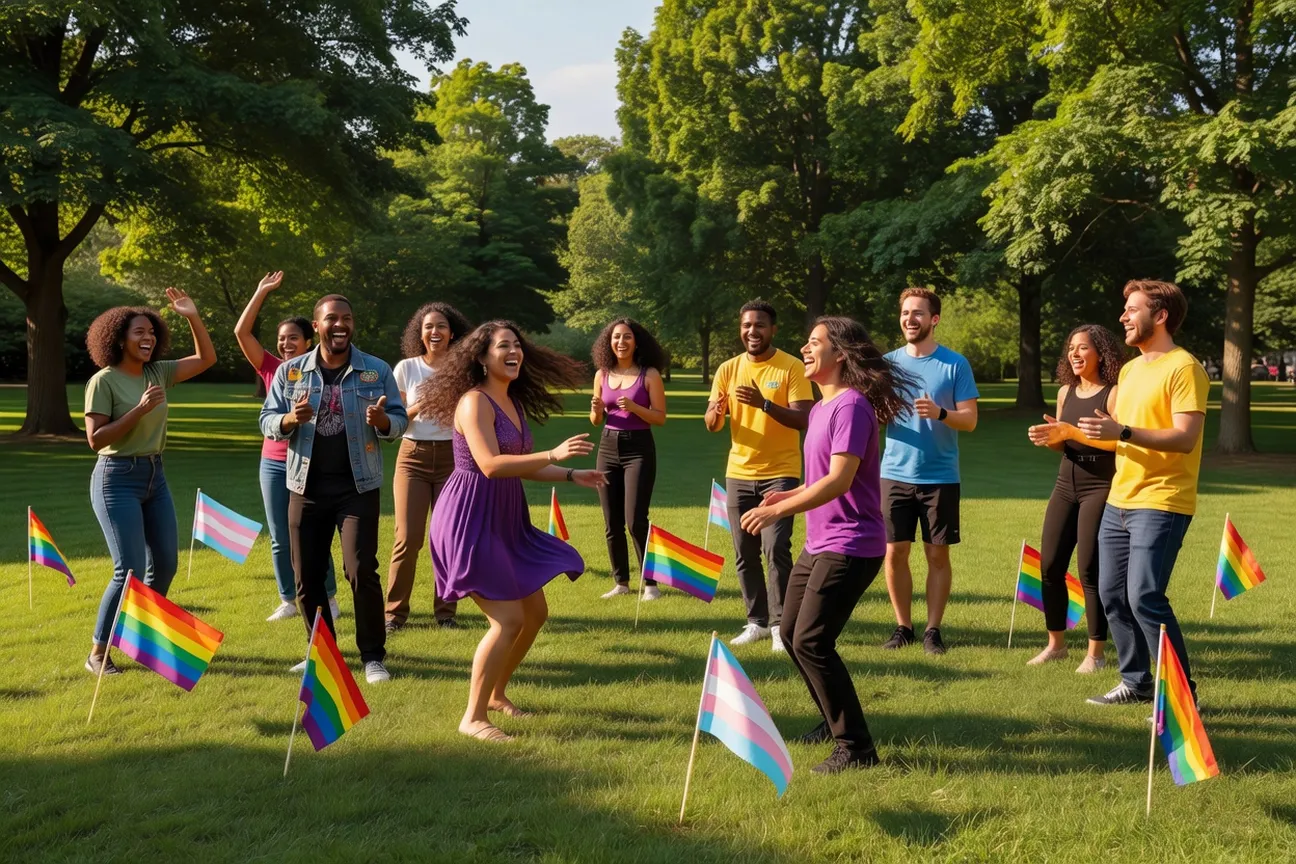
LGBTQ+ Outings in Quebec City: Friendly Bars, Parties, and Venues
LGBTQ+ Outings in Quebec City: Bars, Events, and Friendly Places
Quebec City has a structured LGBTQ+ scene, less geographically concentrated than in Montreal but still very present. The revitalized Saint-Roch district, since the 2010s, is home to several bars and cafés that regularly host inclusive events. The Old Quebec area also has establishments that are welcoming to the community.
Among the must-attend events are monthly drag nights at several downtown bars, usually on the first Friday of the month. These events, often organized by associations like Gai Écoute or local volunteer groups, attract between 100 to 300 people depending on the month.
The LGBTQ+ Community Centre of Quebec, located in Saint-Roch, serves as an essential anchor point. It offers discussion groups, themed movie nights, and artistic workshops throughout the year. Annual membership is voluntary and based on contributions.
For those looking to discover upcoming events, local Facebook groups and Instagram accounts of associations remain the best sources of information, as programming is rarely centralized on a single website.
Finally, the period of regional pride events in Quebec 2026 multiplies pop-up bars and special events in the capital, making July and August the most vibrant months.
Gatineau and Outaouais: the border scene
Gatineau and Outaouais: the Border Scene
Gatineau has a unique advantage: its proximity to Ottawa creates a vibrant, bilingual, cross-border LGBTQ+ scene. People from both sides of the Outaouais River frequent the same establishments and participate in the same events.
Several bars in the Hull area host weekly LGBTQ+ nights. The model often resembles that of a welcoming multipurpose bar that reserves certain nights for the community, rather than that of an exclusively gay bar. This format attracts a mixed and diverse clientele, contributing to the generally warm atmosphere of these evenings.
Community organizations like Arc-en-Ciel Outaouais play a central role in local activities. Their events include themed evenings, support groups, and creative workshops. They also maintain connections with Ottawa organizations, allowing for coordinated calendars.
For those interested in international events, the 2026 World LGBTQ+ Days provide an opportunity to participate in coordinated demonstrations on both sides of the border.
Accommodation in Gatineau is generally more affordable than in Ottawa, and many visitors choose this base to explore both cities.
The Gatineau market and the promenade at Lake Leamy also become informal meeting places on nice days. LGBTQ+ community picnics are occasionally organized there in the summer, a format appreciated by families and those who do not frequent bars. The atmosphere is relaxed and inclusive, with activities for all ages.
Sherbrooke and Estrie: an inclusive student scene
Sherbrooke and Estrie: An Inclusive Student Scene
Sherbrooke is a university town, and this is reflected in the evolution of its LGBTQ+ scene. The Université de Sherbrooke and Bishop's University in Lennoxville attract thousands of students each year, a significant portion of whom actively seek inclusive spaces off-campus.
Several bars in downtown Sherbrooke have adopted an explicit inclusion policy, displaying the rainbow flag in their windows and training their staff to welcome diversity. Some host bi-monthly “Queer Fridays” events, featuring guest DJs and performances by drag artists.
The LGBTQ+ student collective in Sherbrooke, active since 2017, runs a diverse cultural agenda: film screenings, photographic exhibitions, conferences, and musical evenings. Its calendar is published at the beginning of each semester on the social media of both universities.
Outside the university walls, activist cafés in the Plaines district offer mixed reading and exchange spaces, often on a pay-what-you-can basis or very accessible. The atmosphere is deliberately informal and welcoming for those discovering their identity.
The regional scene in Estrie extends to villages like Magog and Orford, where occasional events take place, particularly during Pride weekends. To plan your summer, check out the top 15 LGBTQ+ events in Quebec 2026.
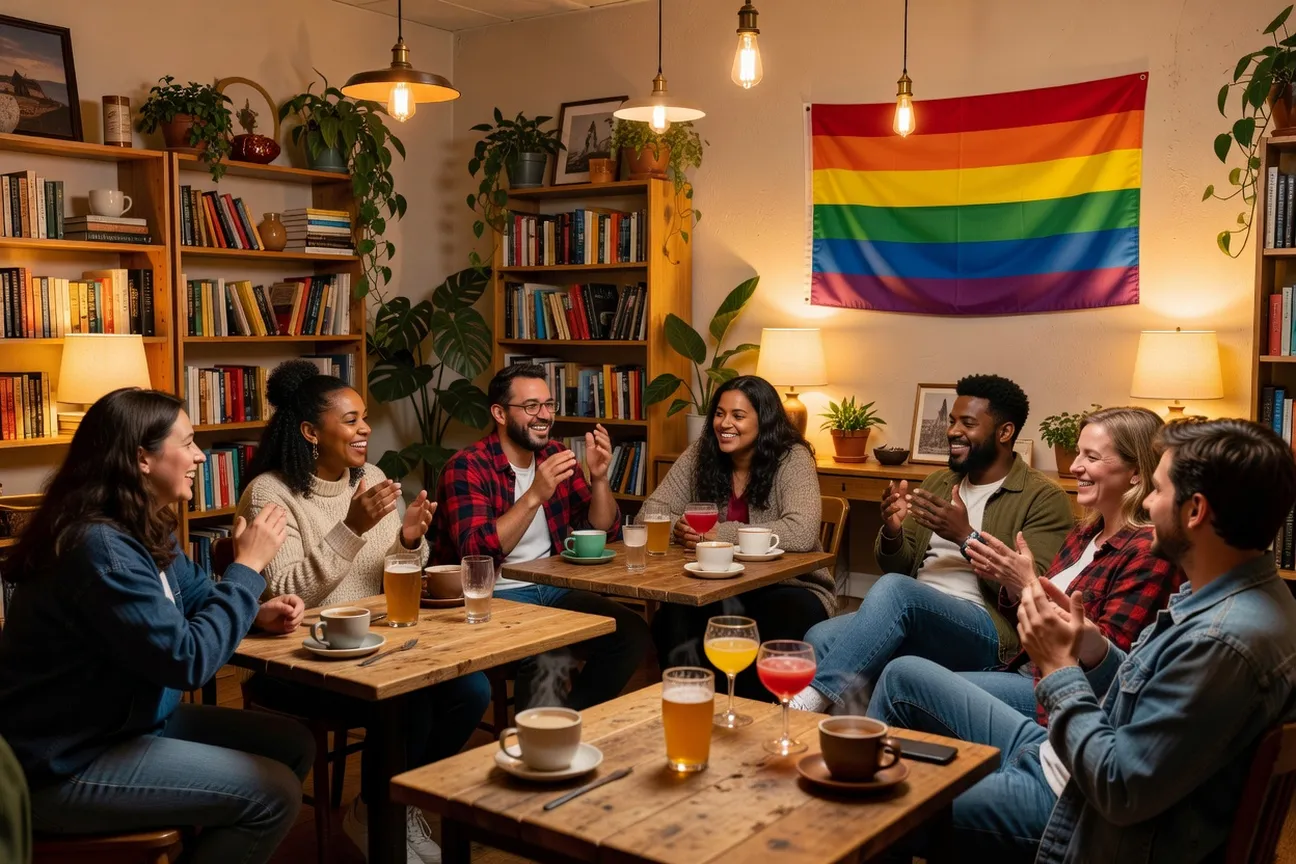
Saguenay–Lac-Saint-Jean: a community that asserts itself
Saguenay–Lac-Saint-Jean: a community that asserts itself
The Saguenay–Lac-Saint-Jean region is often presented as conservative, but the on-the-ground reality is more nuanced. Since 2018, the local LGBTQ+ community has organized itself with remarkable determination, creating spaces where none existed before.
In Saguenay, a few bars in the Chicoutimi area now offer monthly events explicitly for LGBTQ+. These events, discreetly noted on local Facebook groups, gather between 80 and 200 people. The format varies: inclusive karaoke, drag performers, or simply a musical evening with a resident DJ.
The organization Arc-en-Ciel Saguenay–Lac-Saint-Jean plays a key role in mobilization. Its volunteers also organize support groups in the small municipalities of the region, filling a gap that medium-sized cities cannot address alone. Funding primarily comes from the Fondation Emergence and municipal contributions.
Alma and Jonquière are also seeing the emergence of informal spaces. A craft brewery in Alma organized a series of “Arc-en-Ciel” evenings in 2025 that met with unexpected success, prompting the owners to include them in their annual programming for 2026.
The main constraint remains geographical isolation. The distances between villages and towns require planning for an overnight stay to participate in an event. Carpooling through community groups is the most frequently adopted solution.
Thematic evenings and LGBTQ+ events in the region 2026
Thematic Evenings and LGBTQ+ Events in the Region 2026
Beyond bars, occasional events are becoming an increasingly important part of LGBTQ+ social life in the region. They reach audiences who do not spontaneously frequent nightlife establishments: families, seniors, and people living in areas without nearby bars.
Among the most popular formats in 2026:
- Drag Bingo Nights: organized in community halls or restaurants, they mix drag, humor, and sharing. The format is accessible and friendly, with symbolic prizes.
- Queer Film Screenings: independent cinemas in Quebec City, Sherbrooke, and Trois-Rivières host LGBTQ+ themed cycles in the spring.
- Rainbow Artisan Markets: some associations organize markets where local LGBTQ+ artisans sell their creations, creating a festive and economic event at the same time.
- Hikes and Nature Outings: LGBTQ+ groups from Saguenay and Estrie organize outdoor outings, an original format that is increasingly appealing.
- Queer Trivia Nights: themed quiz nights on LGBTQ+ culture are held in participating bars in Gatineau, Quebec City, and Sherbrooke, usually on Wednesdays.
To know the exact dates of these events, the simplest way is to subscribe to the newsletters of local organizations or follow dedicated Facebook pages. You can also check the agenda of the top 15 LGBTQ+ events in Quebec 2026 for major gatherings.
The partner establishments of these events are often bars and restaurants that also offer dating opportunities in Quebec for inclusive speed dating nights.
Staying in the region for an LGBTQ+ event
Staying in the region for an LGBTQ+ event
Planning a stay in the region around an LGBTQ+ event requires more anticipation than in Montreal. The hotel offerings are generally limited, and Pride weekends or special evenings see availability disappear quickly.
Hostels are an economical option in university towns like Quebec City and Sherbrooke. They generally offer an open and international atmosphere. For more intimacy or for groups, cottages and rental homes are often preferred: they allow for sharing costs and extending the evening in a private setting.
The site accommodation in the regions of Quebec offers cottages and homes available across the province, particularly in the regions of Estrie, Saguenay, Mauricie, and Outaouais. The options are diverse: rustic cottage, contemporary villa, village house.
Some LGBTQ+ event organizers make agreements with hoteliers or local owners to negotiate group rates. It is worth contacting the associations directly before booking to potentially benefit from these arrangements.
Finally, for those driving, opting for accommodation a few kilometers from downtown can significantly reduce costs. The regions often offer remarkable natural settings that allow for a combination of LGBTQ+ cultural outings and outdoor weekends.
Practical tips for LGBTQ+ outings outside major centres
Practical Tips for LGBTQ+ Outings Outside Major Centres
The regional scene differs from that of Montreal in several important ways. Knowing its specificities allows for a better experience and helps avoid disappointments.
Check before you go. Unlike Montreal establishments, regional events can be canceled with little notice. Always confirm through the organizer's social media or by direct message. A phone call remains the most reliable means for establishments without an active digital presence.
Adopt the right mindset. Regional LGBTQ+ spaces are often more intimate and mixed than in major centres. Allies and LGBTQ+ individuals attend the same events. This can create a very warm atmosphere, but also different dynamics than those of an exclusively gay bar.
Join local networks. Following the Facebook, Instagram, or Meetup pages of regional associations is the best way to stay informed about events. Some establishments use private groups to communicate their programming, accessible upon request.
Plan your transportation. In the regions, public transport options are limited in the evening. Designate a sober driver or plan for a taxi. Carpooling among community members is a common and appreciated practice.
Contribute to the local community. Supporting participating establishments, sharing events on your networks, and donating to associations: every gesture strengthens the regional LGBTQ+ ecosystem. The scene outside Montreal is built on the active participation of everyone.
To discover even more community resources in your region, the section gay community in Quebec: guide to places and events lists the associations, centres, and resources available in all regions of the province.
Frequently asked questions
Y a-t-il des bars gay ou LGBTQ+ à Québec ?
Quebec City does not have a "gay village" like Montreal, but several bars in the Saint-Roch neighborhood host regular LGBTQ+ nights. The LGBTQ+ Community Centre of Quebec is also an excellent starting point to discover activities and welcoming places in the capital.
Where to go out LGBTQ+ in Gatineau in 2026?
Gatineau has an active LGBTQ+ scene, particularly in the Hull sector. Several bars offer weekly events. The proximity to Ottawa significantly expands the options. The Arc-en-Ciel Outaouais association regularly publishes a calendar of local events on its social media.
Is the LGBTQ+ scene in Sherbrooke active year-round?
Yes. Thanks to the university presence, the LGBTQ+ scene in Sherbrooke is active throughout several seasons. Themed evenings are regularly held in downtown bars, and the LGBTQ+ student collective hosts a cultural program over the two university semesters.
Is it safe to come out openly as LGBTQ+ in the regions of Quebec?
Quebec has one of the most protective legislations in North America against discrimination based on sexual orientation and gender identity. That said, attitudes vary by environment and generation. Major regional urban centers are generally welcoming, especially in identified LGBTQ+ spaces. Caution is advised in very rural areas or those less accustomed to LGBTQ+ visibility.
How to find LGBTQ+ events in a regional city in Quebec?
The best channels are local Facebook groups (often private, accessible upon request), the Instagram accounts of regional LGBTQ+ associations, and the newsletters of community centers. Events are rarely centralized on a single platform, but local associations respond quickly to direct requests.
Where to stay to attend an LGBTQ+ event in the region?
Youth hostels are an economical option in university towns. For groups or more comfortable stays, cottages and rental homes are ideal. Booking early is essential, especially during Pride periods. Platforms like soleicachalets.ca offer suitable accommodations in most regions of Quebec.