Guide to LGBTQ+ Health and Wellness Resources in Quebec in 2026
In brief: This guide centralizes the LGBTQ+ health and wellness resources available in Quebec in 2026: specialized clinics, helplines, regional support groups. A single entry point that links to the detailed articles in the health section of the site.
Why a centralized guide to LGBTQ+ health resources
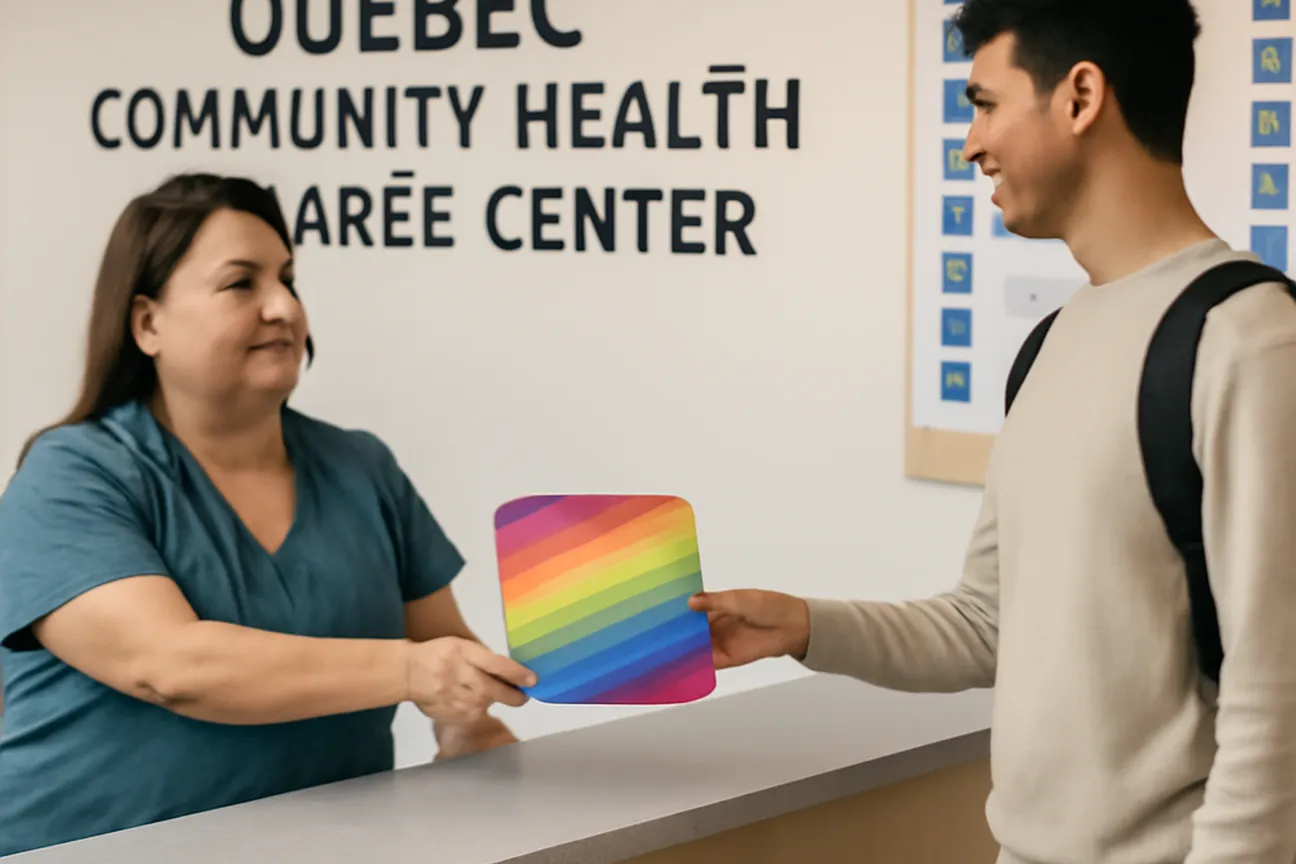
In Quebec, access to health care and wellness services for LGBTQ+ individuals represents a complex challenge. Although the availability of services is real and constantly evolving, it often remains fragmented. Resources specific to the realities of lesbian, gay, bisexual, transgender, queer, and other identities are scattered across a range of community organizations, public health network initiatives, and various regional associations.
This dispersion creates a major difficulty for individuals seeking support tailored to their specific needs, whether related to physical health, mental health, or social support. The CGLQ, as an ECOSOC-UN accredited NGO and a long-standing advocate for LGBTQ+ rights, regularly observes that the lack of centralized information constitutes a significant barrier to the full exercise of the right to health for our communities.
It is in this context that the necessity for this guide was born. It aims to be a unique entry point, a synthetic directory of the main resources available in Quebec in 2026. Rather than being exhaustive on each service, it is structured like a compass, directing users to the detailed articles in our health dossier on cglq.ca. Each section of this guide will link to more in-depth content, thus allowing for a complete and nuanced exploration of the issues and solutions.
The goal is to simplify the search process, reduce the informational burden, and ensure that every LGBTQ+ person in Quebec can quickly find the help they need. This is an essential contribution to strengthening the autonomy and well-being of our communities across the province, by facilitating access to services that are often unknown or difficult to access due to their geographical and institutional dispersion.
Crisis hotlines and services in Quebec
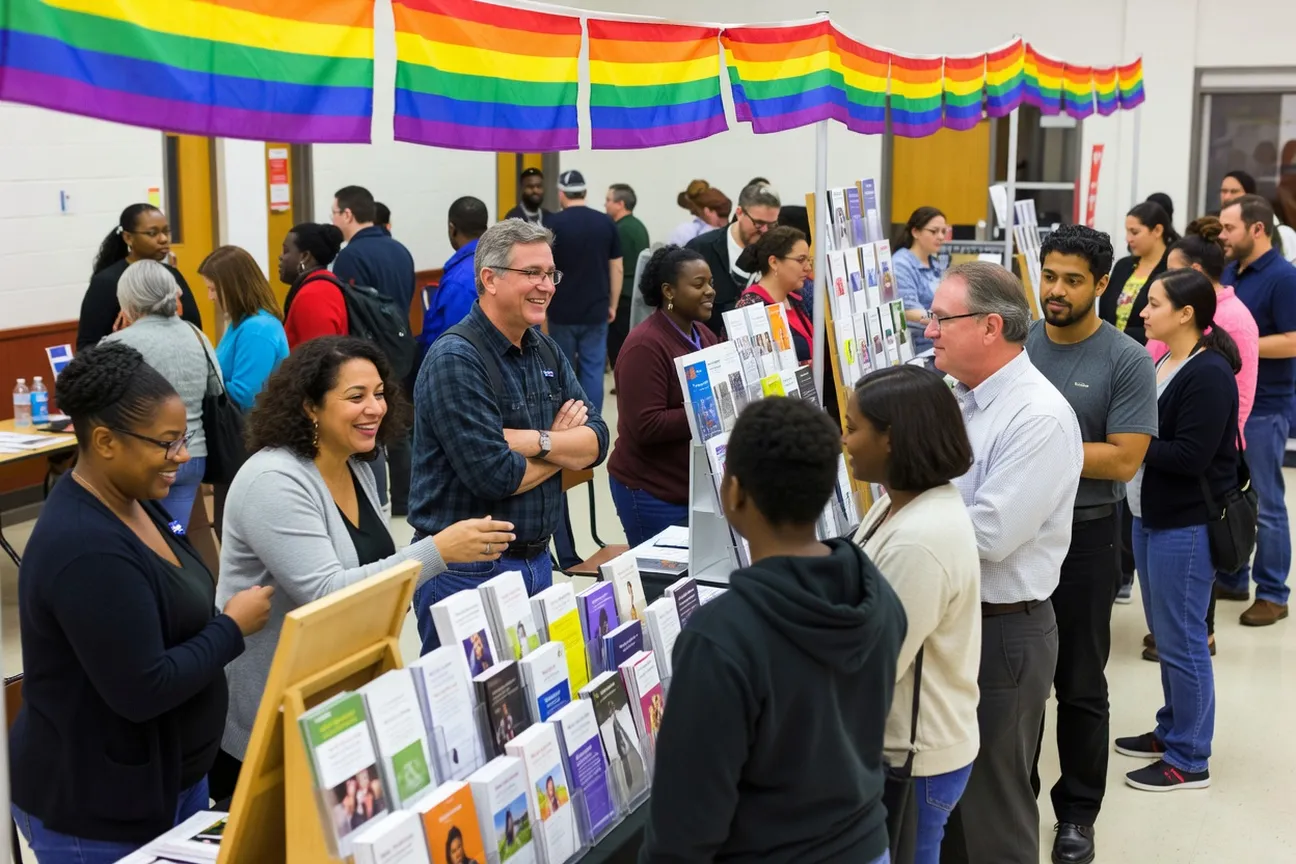
Listening lines and crisis services are an essential first line of defense in mental health, particularly for LGBTQ+ individuals who may face specific challenges related to minority stress, discrimination, or isolation. In Quebec, several resources are available, offering listening, support, and referrals, free of charge and in complete confidentiality.
Interligne stands out as the flagship resource for LGBTQ+ communities. Operating 24 hours a day, 7 days a week, its listening line (1 888 505-1010) and its chat and email services provide specialized and non-judgmental support. The organization, which handled over 20,000 requests for help in 2023, according to its annual report, is a pillar for the psychological health of sexual and gender diverse individuals.
For youth, Tel-Jeunes (1 800 263-2266) also offers attentive and professional listening. Although generalist, its counselors are trained to address a variety of situations, including those specific to LGBTQ+ youth. It is a valuable resource for adolescents and young adults seeking answers or comfort.
Since November 2023, Quebec has integrated the pan-Canadian suicide prevention service, 988. This three-digit number, accessible by phone and SMS, offers immediate and specialized support in cases of suicidal crisis. It is a vital resource for anyone going through a period of intense distress, including members of LGBTQ+ communities who, according to Statistics Canada, experience higher rates of psychological distress than the general population.
Finally, AlterHeros offers listening and information services via chat and email, specifically targeting LGBTQ+ youth and their loved ones. This platform provides a safe space to address issues related to sexual orientation, gender identity, coming out, and associated challenges. These services, complementary to telephone lines, adapt to the communication preferences of new generations.
For a more detailed exploration of mental health issues and support strategies, we invite you to consult our dedicated article: LGBTQ+ Mental Health in Quebec: Minority Stress and Resources. Additional resources for overall well-being are also available on platforms like Combattre la dépression.
Specialized clinics by region
Access to specialized and culturally competent healthcare is a major concern for LGBTQ+ individuals. In Quebec, the availability of dedicated clinics or specific programs is evolving, although the majority of leading services are still concentrated in major urban centers.
In Montreal, Clinique Mauve is an emblematic example of this specialization. Integrated into the Sud-Ouest–Île-des-Sœurs Health and Social Services Centre (CSSS), it offers primary healthcare services tailored to the needs of LGBTQ+ individuals. Its professionals are trained in the realities of sexual and gender diversity, ensuring a respectful and informed approach. Similarly, the Centre hospitalier de l’Université de Montréal (CHUM), through various units, offers specialized services, including for transgender health, including gender-affirming surgeries.
The McGill Integrated University Network for Health and Social Services (RUISSS) has also developed a program dedicated to transgender individuals, providing medical and psychological support. These initiatives aim to address a pressing need, as evidenced by reports from the Montreal Public Health Directorate highlighting persistent health inequalities within LGBTQ+ communities.
Outside of Montreal, efforts are being made to decentralize these services. Initiatives are being developed in regions such as Quebec City, Sherbrooke, and Gatineau. For example, specialized clinics or programs are beginning to emerge within regional CISSS and CIUSSS, often in partnership with local community organizations. However, it is important to note that wait times and the availability of services can vary significantly from one region to another, and a shortage of trained professionals remains a challenge.
For practical details on accessing these clinics, eligibility criteria, and the steps to follow, we recommend consulting our in-depth article on LGBTQ+ cultural competence in the healthcare system in Quebec. This guide offers valuable advice for navigating the healthcare system and finding sensitized professionals.
Mental Health Support Groups
Support groups play a crucial role in maintaining and improving the mental health of LGBTQ+ individuals. They provide a safe space where individuals can share their experiences, break isolation, and benefit from the support of peers who have gone through similar situations. These groups are often facilitated by trained peer supporters, ensuring a deep understanding of the specific issues faced by the communities.
In Quebec, many LGBTQ+ community organizations offer thematic discussion groups. Whether for questioning youth, transgender and non-binary individuals, LGBTQ+ seniors, or parents of children of sexual and gender diversity, there are numerous support networks available. These groups are essential for combating minority stress and strengthening the sense of belonging.
Regional organizations, such as those listed by the Alliance Arc-en-ciel de Québec and other community centers, are key contact points for finding these resources. They develop local programs tailored to the specific needs of their area, ranging from weekly meetings to thematic workshops. According to a survey conducted by the CGLQ in 2024, 78% of participants in support groups reported a significant improvement in their psychological well-being.
To reach individuals living in remote areas or facing mobility constraints, an increasing number of support groups are offered in virtual format. These online platforms, whether through video conferences or secure discussion forums, allow for increased participation and a reduction in geographical barriers. They are particularly beneficial for isolated individuals who do not have access to specialized services near them.
It is also possible to consider restorative stays in the region, which can complement the approach of support groups by providing an environment conducive to relaxation and reflection. Places like Soleica Chalets, for example, offer natural settings that promote well-being. For a comprehensive list of associations and support groups, we invite you to consult our directory of LGBTQ+ associations in Quebec.

Resources for access to physical care
Access to quality and respectful physical care is a fundamental right for all individuals, including members of LGBTQ+ communities. Often, the fear of discrimination, the lack of understanding of specific realities, or the absence of culturally competent professionals can hinder regular medical consultations.
In Quebec, the Family Doctor Access Service (GAMF) remains the primary entry point for finding a family doctor. Although the GAMF does not specialize in referrals based on sexual orientation or gender identity, it is crucial to register in order to access primary care. Once a doctor is assigned, it is always possible to seek more specialized or sensitive professionals.
At the same time, several LGBTQ+ community organizations have developed directories of so-called "LGBTQ-friendly" health professionals. These lists, often based on testimonials and recommendations, include doctors, nurses, psychologists, physiotherapists, and other specialists who have demonstrated openness and understanding of the issues specific to the communities. These directories are valuable tools for avoiding negative experiences and fostering a trusting care environment. The CGLQ recommends checking the updates of these directories directly with the publishing organizations.
It is imperative to remember that patient rights are guaranteed by the Charter of Human Rights and Freedoms of Quebec. This includes the right to respectful care, without discrimination based on sexual orientation, gender identity, or gender expression. In cases of proven discrimination, remedies are available through the Commission des droits de la personne et des droits de la jeunesse (CDPDJ).
For detailed information on how to navigate the health system, ask the right questions to professionals, and advocate for your rights as an LGBTQ+ patient, we invite you to consult our comprehensive guide on access to LGBTQ+ care in Quebec: patient guide. This article offers concrete strategies to improve your care experience.
Resources for the school environment and the workplace
The school and professional environments are crucial spaces for the development and flourishing of LGBTQ+ individuals. An inclusive and safe environment directly contributes to mental health and overall well-being. Conversely, discrimination and exclusion can have profound negative consequences.
In the school environment, Gay-Straight Alliances (GSA), also known as Alliances of Youth for Sexual and Gender Diversity (AJDSG), are key initiatives. Present in many high schools and CEGEPs across Quebec, these alliances provide a space for support, awareness, and socialization for LGBTQ+ youth and their heterosexual allies. They help create a more inclusive school climate and reduce homophobic and transphobic bullying. The Quebec Ministry of Education actively encourages the creation and support of these groups.
In the workplace, the adoption of inclusion policies is becoming increasingly widespread. Many companies, both private and public, are implementing codes of conduct, diversity and inclusion training programs, and LGBTQ+ employee networks. These initiatives aim to create an environment where everyone feels respected and valued, regardless of their sexual orientation or gender identity. Recent studies from the Research Chair on Homophobia at UQAM demonstrate that inclusive companies experience better talent retention and increased productivity.
In cases of discrimination, whether at school or at work, it is important to know the possible recourses. The Commission des droits de la personne et des droits de la jeunesse (CDPDJ) is the organization responsible for ensuring the application of the Charter of Human Rights and Freedoms. It can receive complaints of discrimination based on sexual orientation, gender identity, or gender expression, and offer mediation or investigation services. Many community organizations can also provide support for these processes.
To delve deeper into these topics, we invite you to consult our dedicated interviews on inclusive school environments and LGBTQ+ inclusion in the workplace. These articles provide expert perspectives and concrete testimonials.
How to choose the resource suited to your situation
Given the diversity of available resources, it can be confusing to determine which service best fits your situation. This guide aims to simplify this process by proposing a structured approach to make an informed choice.
Here is a simple decision tree to guide you:
- Immediate emergency or life-threatening situation : If you are in extreme distress, facing an imminent suicidal crisis, or if you or someone else is in physical danger, call 911 for emergency services or 988 for the suicide prevention hotline immediately. These services are available 24/7 and are designed for rapid and vital interventions.
- Need for occasional listening or immediate support : If you feel the need to talk, vent, obtain information, or receive moral support without necessarily requiring long-term follow-up, listening lines are ideal. Contact Interligne (1 888 505-1010) for specifically LGBTQ+ support, or AlterHeros via chat and email. For youth, Tel-Jeunes (1 800 263-2266) is an excellent option. These services offer confidential and non-judgmental listening.
- Need for regular follow-up in physical or mental health : If you are looking for ongoing medical support, a diagnosis, treatment, or psychotherapeutic follow-up, it is preferable to turn to a specialized clinic (such as the Clinique Mauve in Montreal) or consult a family doctor and/or psychologist. It is important to seek professionals who are sensitive to LGBTQ+ realities for better quality of care. Do not hesitate to use the community directories mentioned earlier.
- Need for community support, sharing experiences, or reducing isolation : If you are looking to connect with other LGBTQ+ individuals, share your experiences, find a sense of belonging, or benefit from peer support, community support groups or regional LGBTQ+ centers are the most appropriate. These spaces promote empowerment and solidarity.
Remember that you are not alone in this process. Do not hesitate to contact community organizations for help in navigating to the most suitable resource.
Frequently asked questions
Where can I find a free LGBTQ+ helpline in Quebec?
Interligne offers a specialized listening line 24/7 for LGBTQ+ individuals in Quebec, accessible at 1 888 505-1010. AlterHeros also provides listening services via chat and email, particularly for youth. These services are free and confidential.
Are there specialized clinics outside of Montreal?
Yes, specialized services are being developed in major regions like Quebec and Sherbrooke, often within local CISSS and CIUSSS. However, the concentration of dedicated clinics, such as the Clinique Mauve, remains more pronounced in Montreal. Wait times and availability may vary regionally.
How to access a mental health support group?
You can contact the LGBTQ+ community organizations in your region, such as those listed by the Alliance Arc-en-ciel de Québec or other community centers. Many of these groups are available in person or online to facilitate access. Our directory of LGBTQ+ associations can help you find the nearest group.
Does this guide also cover resources for youth?
Yes, this guide includes specific resources for LGBTQ+ youth, such as Tel-Jeunes and AlterHeros for support. It also mentions Gay-Straight Alliances (GSA) in school environments. Many community organizations also offer programs dedicated to youth.
How can I know which resource corresponds to my situation?
For an immediate emergency, call 911 or 988. For occasional support, Interligne or AlterHeros are recommended. For regular follow-up, prioritize specialized clinics or informed professionals. Support groups and community centers are ideal for sharing and connecting with the community.