Coming out after 40: interview with Dr. Frédéric Saint-Onge, clinical psychologist specializing in LGBTQ+
In brief: Coming out at 40, 50, or 60 years old presents specific challenges that guides for youth do not address: sharing the news with a partner, with teenage or adult children, with elderly parents, and reshaping one's social life in a gay and lesbian world that is sometimes youth-centered. Dr. Frédéric Saint-Onge, a clinical psychologist specializing in LGBTQ+ mental health for 22 years, supports dozens of individuals each year at this pivotal stage. He shares his practical insights, concrete tools, and warnings here.

Why this interview
The phenomenon of late coming outs, often after the age of 40, is gaining traction in our society. More and more people, after having lived for decades in heterosexual marriages and sometimes with children, are deciding to come out of the closet. These journeys are not often covered by guides aimed at young people, as they present unique challenges: announcing the news to their children, to a long-term partner, or to elderly parents. One must also reintegrate into a community that can sometimes seem youth-centric.
Dr. Frédéric Saint-Onge, a composite character for this article, is a clinical psychologist with a cautious and warm approach. He offers us an enlightened perspective on these particular journeys, helping us understand the issues and stages of a late coming out. This interview aims to provide food for thought and practical advice for those considering taking this important step in their lives.
The interview
Sophie : Coming out later in life: why at 40, 50, 60 years old and not before?
Dr :In my clinical practice, I have encountered many people who chose to come out well after their forties. Often, these individuals grew up in an environment where homosexuality was little visible or outright taboo, particularly due to the influence of strict Catholicism in Quebec between 1960 and 1990. For many, this meant a repression of their identity that could last for decades.
Society did not offer positive or visible role models, and heterosexual marriages were often seen as the only path to stability and respectability. However, with the evolution of mindsets and the growing visibility of LGBTQ+ communities, many people are realizing that they can finally live authentically. This can be a trigger for considering a late coming out.
It is important not to judge the years of latency but to contextualize them. Each journey is unique, and it is never too late to live your truth. For more practical advice on coming out, check out our interview with a sexologist.
Sophie : Announcing it to the heterosexual partner: preparing the conversation, anticipating reactions
Dr :It is essential to choose an appropriate time and place to have this delicate conversation with your partner. Opt for a calm and private environment, away from distractions and immediate commitments. It may be wise to plan a weekend without obligations to allow space for the discussion and the emotions that may arise from it.
Reactions can vary considerably. Some partners may feel shock and denial, while others may express anger or a sense of betrayal. It is not uncommon for some to feel relief, as latent suspicions are confirmed. It is important not to suggest an immediate separation in the same conversation, as this could be overwhelming for the spouse.
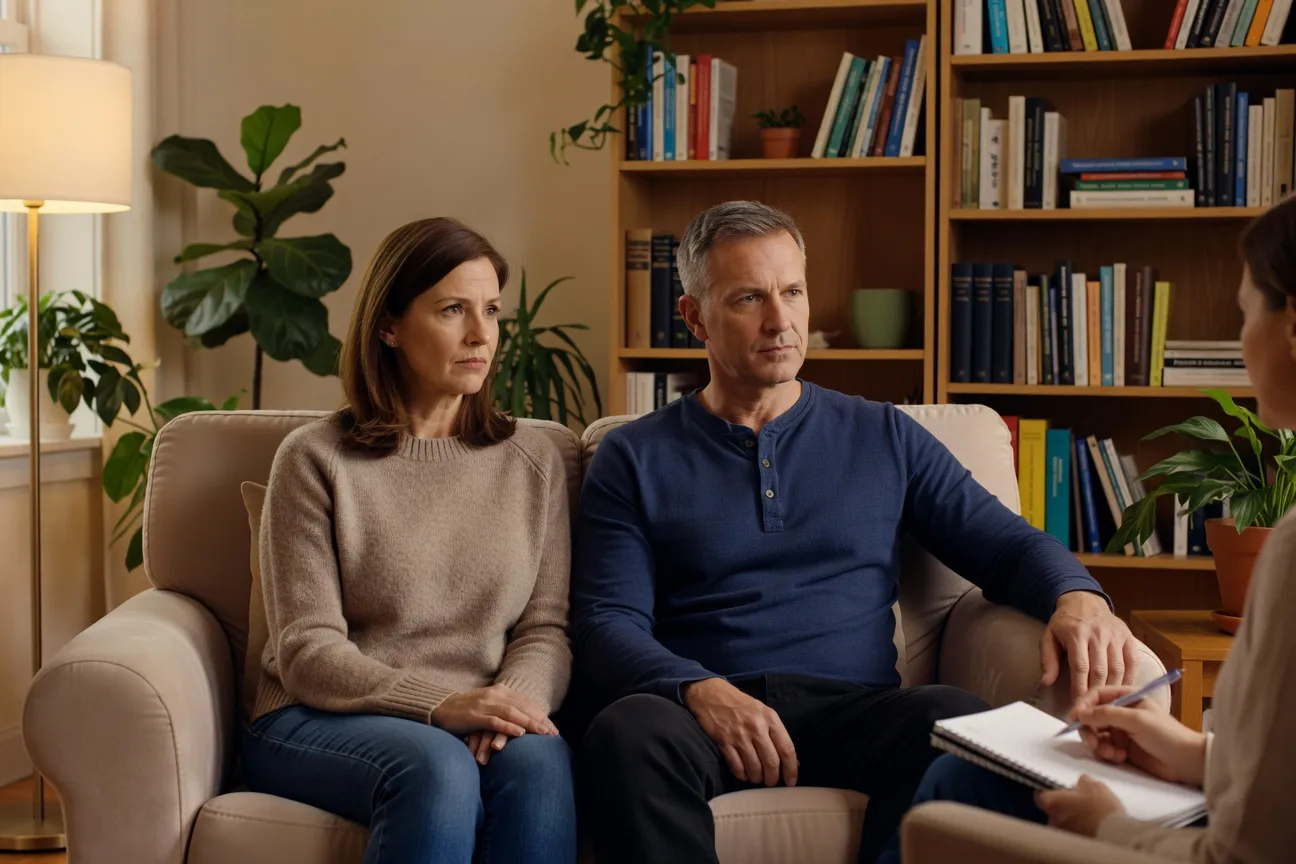
Accompanying this process with systemic therapy can be beneficial. It allows for exploring reactions together and reflecting on the next steps, while respecting each person's pace.
Sophie : Announcing it to teenage children: what helps, what hurts
Dr :When you announce your coming out to your teenage children, it is crucial to use simple language and validate their emotions. Teenagers, aged 12 to 18, have the cognitive ability to understand the situation, but they are also very sensitive to family changes.
It is important to separate your identity from the future of the couple. Answer their concrete questions, such as 'Will my friends know?' or 'Are we going to move?'. Avoid seeking reassurance from them or putting them in an adult position regarding the situation. Do not force them to choose a side between the parents.
Teenagers often accept better than expected, but it is essential to give them time to digest the information. For additional resources for LGBTQ+ youth, check out our page on help and listening lines.
Sophie : Announcing it to adult children: generational differences in 2026
Dr :Adult children, aged 25 to 45 in 2026, have generally been socialized to accept LGBTQ+ identities. However, they may perceive their parent's coming out as a revelation that 'everything was false.' It is crucial to explain to them that their childhood was not a lie, but that a part of the family history was hidden.
It is advised not to overload these conversations with retrospective explanations. If the child is LGBTQ+ themselves, this can facilitate acceptance. Each child reacts differently, and it is important to respect their pace and emotions.
For more information on family dynamics, consult our guide on homoparental families in Quebec.
Sophie : Announcing it to elderly parents: time issues, religious values, potential dementia
Dr :Elderly parents, aged between 70 and 90, were often socialized in a pre-1970 context where homosexuality was little accepted. Reactions vary from the majority who choose pious silence, to open rejection, although rare, or to quiet acceptance after the initial shock.
The question of whether to inform a parent suffering from dementia or Alzheimer’s is delicate. Some psychologists advocate for doing so for clarity, while others oppose it, as it could be forgotten and retraumatizing each time.
It is essential to give parents time to process the information, as they may need to grieve the image they had of you. For more support, explore the resources available in the LGBTQ+ community centers in Quebec.
Sophie : If the partner requests a divorce: support during the separation
Dr :About 60% of couples separate within two years following a late coming out of one partner. This should not be seen as a failure, but rather as a necessary restructuring of each person's life.
It is crucial to go through the stages of mutual grief and to consider mediation to address the feelings of loss that the heterosexual partner may experience. Practical arrangements, such as child custody, finances, and family residence, need to be discussed.
It is common, especially in Quebec, for couples to remain friends or choose post-divorce coparenting. Each situation is unique, and professional support can facilitate this transition.
Sophie : Regions of Quebec outside Montreal: isolation and concrete solutions
Dr :For people living in rural areas, the challenge of isolation is real, especially for those over 40. Local groups are often fewer in number, but solutions do exist.
Teletherapy, accessible via online platforms, allows individuals to consult with LGBTQ+ specialized psychologists from Montreal or Quebec. Online groups, such as Discord or Meetup, provide discussion spaces for those aged 40 and over.
For some, a gradual move to urban centers like Quebec City or Montreal may be considered. For more information, visit our page on LGBTQ+ community centers in Quebec.
Sophie : Finding a community at 50: groups, events, dating
Dr :For people aged 50 and over, there are communities like the Réseau Enchanté or the Meetup groups 'Mature Gay/Lesbians Montreal'. Some dating apps, such as Lex for lesbians or Bumble with an age filter, can be helpful.
Regarding meetings, it is important to have a clear profile of your situation, especially if you are in a recent and fragile coming out. It is essential to respect your own pace and that of others.
For serious dating in Quebec, visit soleica.ca, which offers options tailored for people aged 40 and over.
Sophie : Coming out as trans after 40: specificities, medical support
Dr :Coming out as transgender after 40 is often more thoughtful, but it comes with additional complexities, such as marriage, children, and an established career under a previous gender.
The medical journey in Quebec often begins with a consultation with ASTT(e)Q or a specialized GMF. Hormone therapy is an option, although the effects may be slower and more moderate after the age of 40. Optional surgeries carry more risks at this age.
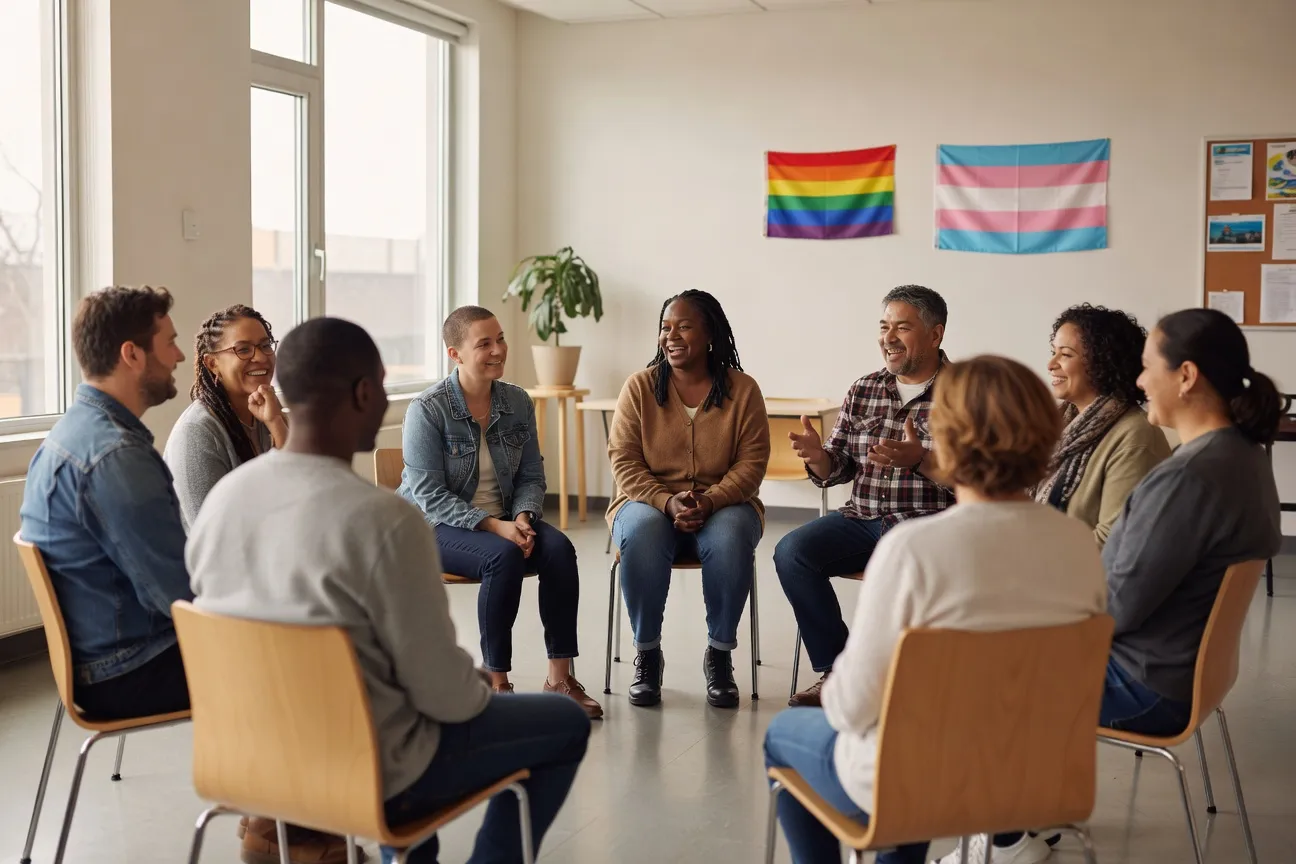
Social aspects include the name change with the RAMQ and the announcement to the employer and in the social environment. Peer networks are essential for support and the exchange of experiences.
Sophie : Final tips: 3 things to do before, 3 to avoid in a late coming out
Dr :Before starting your coming out journey, make sure to find an LGBT-friendly therapist to support you throughout the process. Build a 'reserve' of support by informing 1 or 2 friends you trust greatly in advance.
It is also important to stabilize your finances and your temporary housing to prepare for potential changes. Avoid: announcing during a crisis, such as a parental death or job loss.
Do not make your adult child your main confidant and avoid rushing into a new relationship to 'make up for lost time.' For more resources on mental health, visit combattreladepression.com.
Quick questions: common misconceptions
Conclusion: 3 key takeaways
- Late coming out is a process, not an event: it happens in a cascade, at one's own pace, with LGBT-friendly therapeutic support found prior to the first announcement.
- Family issues (partner, teenage or adult children, elderly parents) each require a distinct strategy: no one-size-fits-all solution, but principles of respecting each other's pace and separating identity from the couple's future.
- Isolation in the regions is less absolute than before 2020 thanks to teletherapy and online communities, but the need for physical presence of other LGBT individuals over 40 remains a challenge for many.
Frequently asked questions
How to find an LGBT-friendly psychologist in Quebec?
You can use the Directory of the Ordre des psychologues du Quebec by filtering for LGBT-friendly specialization. Teletherapy also allows you to consult professionals from Montreal or Quebec.
How long does a late coming out journey typically take?
The journey of late coming out varies from person to person, but it can take several months to a few years, depending on the reactions of those around and personal pace.
Should it be announced first to the partner or to the children?
It is often preferable to talk about it first with your partner, as this allows you to prepare together how the information will be shared with the children.
How to find an LGBT 40+ support group in Quebec?
Platforms like Meetup or online groups on Discord can provide support spaces. You can also check local LGBTQ+ community centers for recommendations.
Is LGBT teletherapy covered by RAMQ?
Teletherapy is not directly covered by the RAMQ, but some private insurance plans offer reimbursements for online psychological consultations.
What should I do if my partner refuses to have any conversation after my coming out?
It may be helpful to suggest mediation or couples therapy to facilitate communication. Respecting the time and space needed to process the news is also important.
Can my teenage children talk about it with their friends without my consent?
It is difficult to control what children share with their friends. It is preferable to talk to them about the importance of discretion and how it can affect the family.
What are the first signs of a trans transition that I should explore after 40?
The first signs may include exploring gender through clothing, name and pronoun preferences, or consultations with specialists to discuss medical options, such as hormone therapy.