Well-being and healthy living for LGBTQ+ individuals in Quebec in 2026
In brief: Beyond clinical issues, the daily well-being of LGBTQ+ individuals involves physical activity in a safe environment, a balanced diet, and quality sleep. This guide offers concrete suggestions and Quebec resources to incorporate these habits without fear of judgment.
Why daily well-being deserves specific attention
Minority stress, described in the article LGBTQ+ Mental Health in Quebec: Minority Stress and Resources, causes measurable physiological effects. Studies from the Université de Montréal and the Institut national de santé publique du Québec show a 35% increase in sleep disorders and a rise in chronic blood pressure among LGBTQ+ individuals exposed to repeated micro-aggressions. These bodily reactions are not isolated from mental health: they are a direct physical extension of it.
Disordered eating behaviors often emerge in response to this same stress. Data from the Direction de santé publique de Montréal indicate that 22% of gay and bisexual men report episodes of restriction or binge eating related to anticipatory anxiety. Physical activity and appropriate nutrition then act as concrete complements, not as substitutes for psychological follow-up.
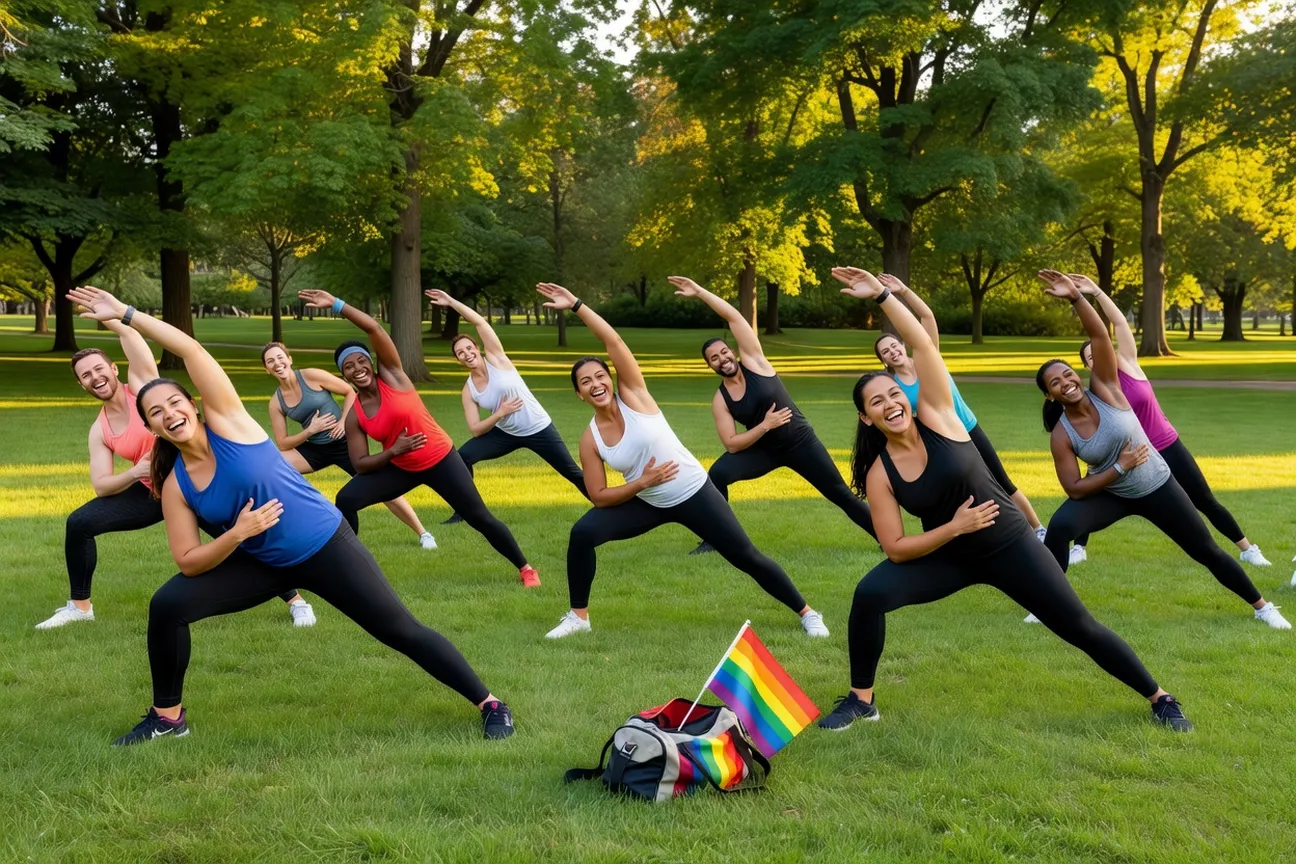
Daily physical well-being helps reduce accumulated allostatic load. Research published in the Canadian Journal of Public Health confirms that a regular practice of 150 minutes of moderate activity per week decreases inflammatory markers in minority populations by 18%. This reduction translates into better resilience against stressful events related to identity.
The practical consequences are immediate. Better quality sleep improves concentration at work and reduces relational conflicts. Stable nutrition supports the energy needed for community activities without premature exhaustion. The body and mind function here as a unique system where each physical improvement enhances the ability to manage minority stress.
Quebec organizations such as the Coalition des organismes communautaires québécois de lutte contre le sida and the Centre de santé des femmes de Montréal emphasize the importance of addressing these dimensions together. Ignoring the physical aspect means leaving part of the clinical picture without intervention. Preventive medical follow-up and daily lifestyle adjustments are therefore accessible and documented tools, and a growing number of Quebec clinics are investing in culturally competent LGBTQ+ healthcare training for staff to make these visits less intimidating.
Find safe and inclusive sports spaces in Quebec
The criteria for an inclusive sports space rely on explicit policies. A gym or center must display an anti-discrimination policy, offer neutral changing rooms or individual stalls, and train its staff on LGBTQ+ realities. The Community Centre for Gays and Lesbians in Montreal has been applying these standards for several years and offers reserved slots with trained supervision.
LGBTQ+ community centers often serve as the safest entry point. The organization Gai Écoute and the Fondation Émergence regularly compile lists of facilities that meet these standards. These lists are updated annually and incorporate user feedback on incidents experienced.
Applications and Facebook groups managed by the community complement these official resources. The group « Sport LGBTQ+ Montreal » and the app « Lesbapp » allow users to report positive venues and avoid those where incidents have been reported. These platforms rely on verified reviews rather than commercial rankings.
The municipalities of Quebec City, Sherbrooke, and Gatineau have also developed pilot programs. The City of Montreal offers reduced rates for activities in its facilities when the inclusion policy is respected. These initiatives reduce financial barriers while ensuring appropriate supervision.
Prior verification remains essential. Contacting the establishment to confirm the presence of adapted changing rooms and staff training helps avoid disappointments. Shared experiences on community networks provide an additional reliable filter.

LGBTQ+ Sports Leagues and Their Community Benefits
Several LGBTQ+ sports leagues exist in Montreal and in other regions. The Gay and Lesbian Softball Association of Montreal, the inclusive volleyball league, and the LGBTQ+ hockey league organize regular seasons. These structures are managed by recognized community clubs and welcome participants of all levels.
Curling and soccer are also among the available options. The LGBTQ+ curling league in Montreal attracts individuals aged 18 to 65 and offers mixed tournaments. These activities take place in municipal arenas with schedules adapted to atypical work hours.
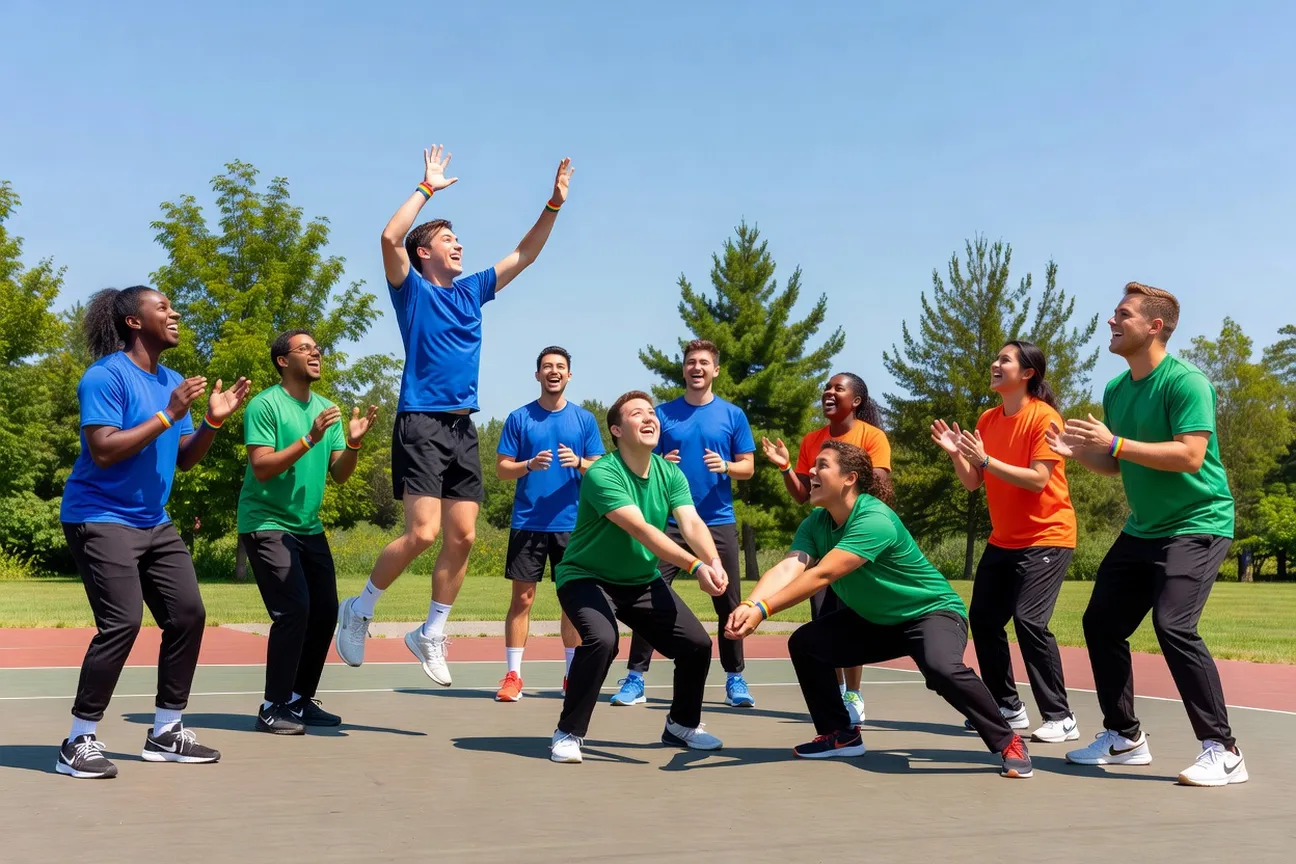
The benefits go beyond mere physical activity. The creation of social networks reduces the documented isolation experienced by LGBTQ+ young adults. Internal surveys from the leagues show that 68% of participants reported forming lasting friendships through these activities.
A sense of belonging develops without the pressure of heteronormative performance. The rules are adapted to value participation rather than exclusive competition. This approach reduces anxiety related to body image, which is often present in traditional sports environments.
The leagues also offer mentoring programs for newcomers. Trained captains support individuals who are starting physical activity after a period of inactivity related to mental health challenges. This welcoming structure facilitates gradual integration.
Regular participation encourages consistency. The fixed schedules of the leagues help maintain a routine of physical activity even during periods of high stress. Teammates become support points for regularity.
Nutrition and Body Image in the LGBTQ+ Community
Body pressures vary across segments of the community. Among some gay men, standards of thinness and musculature remain prevalent. Studies from Laval University reveal that 31% of gay men aged 18-35 have followed an extreme restrictive diet in the past twelve months.
Trans individuals in transition face additional challenges. Hormonal changes affect fat distribution and muscle mass. Appropriate nutritional monitoring allows for adjustments in protein and calcium intake to preserve bone density during this period.
Eating disorders are statistically more frequent. Data from the Institut universitaire en santé mentale de Montréal indicate a prevalence rate 2.4 times higher among gay men and non-binary individuals compared to the general population. A non-normative approach to eating prioritizes listening to hunger and satiety signals rather than external rules.
Specialized resources exist in Quebec. The program “Nutrition without Judgment” offered by some community health centers provides individual consultations and group workshops. These services integrate the cultural and identity-specific needs of participants.
Nutritional rehabilitation occurs gradually. Replacing weight loss goals with performance or energy well-being goals reduces the guilt associated with meals. Results are measured over several months rather than weeks.
Dietitians trained in LGBTQ+ issues avoid comments on appearance and focus on bodily functions. This professional stance reduces the risk of triggering or worsening restrictive behaviors.
Sleep, stress, and life balance
Chronic minority stress alters the architecture of sleep. Research from the Research Centre of the Sacré-Cœur Hospital in Montreal shows an average reduction of 45 minutes in deep sleep time for individuals exposed to daily discrimination. This sleep debt exacerbates irritability and vulnerability to anxiety.
Basic sleep hygiene remains the primary lever. Going to bed and waking up at fixed times, even on weekends, stabilizes the biological clock. Limiting screens one hour before bedtime reduces exposure to blue light, which delays falling asleep.
Managing anticipatory anxiety is a specific challenge. Before a social or family event where identity must be managed, breathing techniques or a thought journal can help decrease activation of the sympathetic nervous system. These short practices can be integrated into the evening routine.
Adapted sleep environments matter. A dark, cool, and quiet room promotes sleep maintenance. Individuals sharing their living space with family members who are unaware of their identity may sometimes benefit from temporary solutions like earplugs or a mask, and those still weighing when and how to share their identity at home can find grounded guidance in this interview with a sexologist on coming out in Quebec.
Medical follow-up complements these behavioral measures. A doctor can assess the need for investigation for sleep apnea or prescribe cognitive-behavioral therapy for insomnia when hygiene measures are insufficient.
Physical activity and mental health: the demonstrated link
The scientific literature confirms the effect of physical activity on anxiety and depressive symptoms. A meta-analysis published in JAMA Psychiatry in 2023 shows an average reduction of 20% in depressive symptoms after 12 weeks of moderate exercise in adults. This effect is particularly pronounced in populations exposed to chronic stress.
For LGBTQ+ individuals, physical activity acts as a buffer against minority stress. Research from McGill University indicates that participants in inclusive sports programs report a 27% decrease in suicidal thoughts over six months. The effect is not magical but cumulative and depends on regularity.
Physical activity does not replace professional follow-up. It serves as an accessible complement that enhances the effectiveness of therapies and medications when they are necessary. Quebec family doctors are increasingly integrating exercise prescription into treatment plans.
The mechanisms involved include the release of endorphins, regulation of cortisol, and improvement of self-esteem through the gradual mastery of a skill. These biological and psychological changes are observed after eight to ten weeks of sustained practice.
Resources like combattreladepression.com offer practical guides to integrate movement into a comprehensive mental health strategy. These tools complement clinical follow-up without substituting it.
Preventive medical follow-up and sexual health in daily life
Regular screening for STIs should correspond to actual sexual practices and not to heteronormative assumptions. The recommendations from the Quebec Ministry of Health and Social Services provide for testing every three to six months for individuals with multiple partners or using PrEP. Specialized clinics such as ACTUAL and the Centre hospitalier de l’Université de Montréal adapt their panels to reported behaviors.
Access to PrEP is covered by RAMQ for eligible individuals. Community sexual health clinics offer quick consultations and follow-up on side effects. Continuity of care remains crucial during interregional relocations: the medical file must be transferred to avoid interruptions in treatment.
Hormonal follow-up for transgender individuals requires special attention alongside physical activity, and the accompanying interview with a social worker on supporting trans and non-binary youth in Quebec details how this coordination works in practice for younger patients. Regular blood tests allow for dose adjustments to preserve muscle mass, bone density, and energy levels. A physician specialized in endocrinology can coordinate these elements with a training program.
Some health indicators are not subjectively felt. High blood pressure or a lipid imbalance can develop without noticeable symptoms. Annual blood tests detect these anomalies before they become clinical.
Quebec resources include CLSCs with sexual health programs and organizations like RÉZO for gay and bisexual men. Maintaining contact with the same family doctor or a nearby clinic ensures better knowledge of the file and early detection of changes.
Train without fear of judgment in the locker room or gym
Several concrete strategies reduce exposure to judgment. Training during off-peak hours, generally between 10 a.m. and 2 p.m. or after 8 p.m., decreases crowd density and unwanted interactions. Establishments with a clear inclusion policy displayed at the entrance provide a more predictable environment.
The use of individual booths or neutral locker rooms is an immediate solution when these options exist. Individuals who prefer to completely avoid communal locker rooms can opt for technical clothing that allows for discreet changing or go to the gym already equipped.
Being accompanied by a trusted friend or training partner changes the social dynamic. The presence of an ally reduces anxiety and allows for quick intervention in case of inappropriate comments. This strategy is particularly effective during the first visits to a new place.
Community geolocation apps allow users to check recent experiences of others. Comments on locker rooms and staff attitudes help choose the most suitable time and place. This information evolves quickly and reflects the reality on the ground.
Repeated visits to the same place eventually create familiarity that diminishes the perception of threat. Employees and other members come to recognize regular faces, which reduces lingering stares. This acclimatization generally takes four to six sessions.
Resources and apps for a healthy lifestyle
Several fitness apps integrate inclusive communities. Strava offers local LGBTQ+ clubs where members share routes and challenges without judgment on performance. These virtual groups facilitate the transition to in-person meetings in a safe environment.
LGBTQ+ walking and hiking groups are multiplying in Quebec. The organization Les Mecs qui Marchent and regional Facebook groups organize weekly outings in the parks of Montreal, Quebec City, and Sherbrooke. These activities combine gentle movement and social bonding.
Rejuvenating retreats in the region offer a break from urban stress. Soleil à Chalets offers rentals adapted for LGBTQ+ groups with private spaces and organized outdoor activities. These retreats allow for complete disconnection and energy recharge.
Subsidized community programs facilitate access to physical activities. The City of Montreal and certain boroughs offer reduced rates for low-income individuals through leisure cards. Organizations like the Fondation émergence disseminate this information to their audience.
Sleep and nutrition tracking apps can be configured to avoid stigmatizing notifications. Choosing tools that do not promote weight or slimness goals preserves mental health while supporting healthy behaviors.
Balancing professional life, social life, and personal well-being
Managing time between community engagement, professional life, and personal rest requires explicit planning. LGBTQ+ volunteers and activists often dedicate more than ten hours a week to causes. Without clear boundaries, this pace can lead to burnout in less than six months, according to observations from the organization Arc-en-ciel d'ailleurs.
Signs of activist burnout include persistent irritability, loss of motivation, and sleep disturbances. Recognizing these signals early allows for adjustments in the level of engagement before burnout becomes chronic. Periods of temporary withdrawal are sometimes necessary.
Moments of total disconnection remain essential. Reserving evenings or weekends without any activities related to LGBTQ+ identity allows the nervous system to recover. These protected times improve the quality of contributions when the person resumes their commitments.
Leisure activities unrelated to identity enrich the balance. Engaging in a sport, art, or cultural activity without a militant dimension offers a space for identity breathing. This diversification reduces the pressure of constantly representing a community.
Weekly planning incorporates these elements. Blocking fixed time slots for sleep, physical activity, and meals in the professional agenda avoids constant disruptions. This visible structure helps to decline additional requests when the time quota is reached.
Resources such as gay community in Quebec: places and events and lesbian community in Quebec: guide and associations remind us that social life can be selective. Choosing events that truly align with current needs preserves overall energy.
Frequently asked questions
Are there LGBTQ+ sports leagues in Quebec?
Yes. Softball, volleyball, hockey, and curling leagues are active in Montreal and in certain regions. They are managed by community clubs and welcome all skill levels.
How to find a safe and inclusive gym?
Check the displayed inclusion policy, the presence of gender-neutral changing rooms, and staff training. Lists of community centers and community Facebook groups provide updated recommendations.
Does physical well-being have an impact on LGBTQ+ mental health?
Regular physical activity reduces anxiety and depressive symptoms and acts as a buffer against minority stress. It complements but does not replace professional support.
How to Manage Body Image-Related Anxiety in the Community?
Adopt a non-normative approach to nutrition and consult dietitians trained in LGBTQ+ issues. Inclusive sports groups reduce performance pressure.
What resources exist for a healthy lifestyle adapted for transgender individuals?
Coordinated hormonal monitoring programs with physical activity are available in specialized clinics. Regional stays and inclusive apps provide additional options.
How to reconcile LGBTQ+ social life and personal well-being?
Plan for rest and disconnection periods. Recognize the signs of activist burnout and limit volunteer commitments when necessary.